
Caffeine Usage for Veterans and First Responders: Benefits, Risks, and Hormone Health

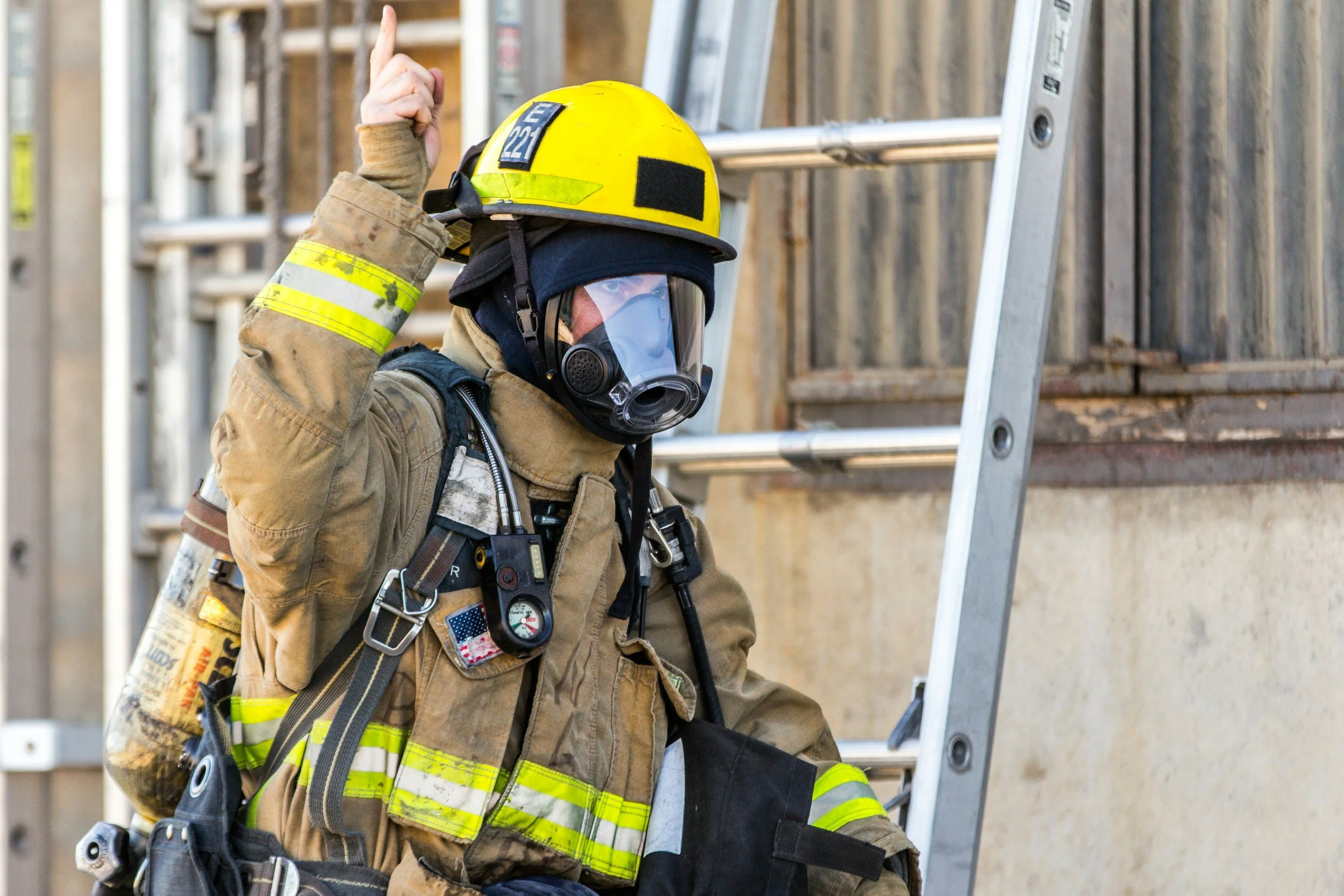
Caffeine is an essential for many veterans and first responders. Long shifts, unpredictable schedules, and the constant demand for alertness often make that extra cup of coffee feel like a necessity. And while caffeine can be a helpful tool, it’s important to understand both its benefits and its drawbacks—especially when it comes to long-term health, sleep, and hormone balance.
How Caffeine Helps
Caffeine works by blocking adenosine, a chemical in the brain that promotes sleepiness. By doing so, it increases alertness and helps you feel more awake. In high-stress professions where fatigue can put safety at risk, caffeine can temporarily boost focus, reaction time, and even physical performance. Used strategically, it can be a reliable way to stay sharp during demanding shifts.
How Caffeine Harms
The flip side is that caffeine can also disrupt the very systems you rely on for recovery and resilience. Excessive intake can interfere with deep sleep, leaving you feeling wired at night and exhausted the next day. Over time, this cycle contributes to hormonal imbalances, higher cortisol levels, and even testosterone decline. Too much caffeine can also raise blood pressure, increase anxiety, and cause digestive upset—all of which can take a toll on performance and long-term health.
Long-Term Health
Caffeine, when used in moderation, can offer benefits like improved alertness and a temporary cognitive boost. But over time, excessive intake—especially in the context of chronic stress and disrupted sleep—can take a toll on overall health.
Long-term drawbacks: Excessive intake—especially alongside chronic stress and disrupted sleep—can strain overall health.
Potential health impacts: High caffeine consumption may raise blood pressure, irritate the digestive system, and increase the risk of anxiety or jitteriness.
For veterans and first responders: Caffeine can be a helpful tool, but it’s best to avoid relying on it as a crutch and regularly monitor how it affects your body over time.
Sleep
One of the most immediate and noticeable effects of caffeine is its impact on sleep. Consuming it too late in the day can make it harder to fall asleep and reduce deep, restorative sleep cycles.
Caffeine blocks adenosine, the chemical that signals your brain it’s time to rest.
Late-day consumption can make it harder to fall asleep and reduce deep, restorative sleep cycles.
Long-term effects: Disrupted sleep can lead to cumulative fatigue, mood changes, and decreased stress resilience.
Cycle of dependence: For those in high-stress professions, poor sleep can compound the very problems caffeine is meant to fix, creating a hard-to-break cycle.

Hormone Balance
Caffeine doesn’t just influence your alertness—it also interacts with your hormonal system.
Elevates cortisol: Excessive intake can raise the body’s primary stress hormone.
Impacts testosterone-to-cortisol ratio: High caffeine use may shift this balance in men, especially during times of chronic stress.
Compounds fatigue and recovery issues: Combined with high stress, overuse can lead to fatigue, slower recovery, and potential hormonal imbalances.
Strategic use matters: Pairing caffeine with proper sleep, nutrition, and stress management can support a healthier hormone balance and maintain energy without overtaxing your system.
When to Use Caffeine
The key is not just how much caffeine you consume, but when you consume it. Using caffeine earlier in the day, rather than late in a shift, reduces the risk of sleep disruption. For most people, cutting off caffeine at least 6–8 hours before bedtime allows your body to wind down naturally. Think of caffeine as a tool for targeted performance—something to use when alertness is critical, not as a crutch to power through every hour of the day.
When to Work with a Doctor
If you find yourself relying heavily on caffeine just to get through the day—or if you’re experiencing persistent fatigue, sleep disturbances, or mood changes—it may be time to look deeper.
Issues like low testosterone, sleep apnea, or thyroid problems can all cause symptoms that caffeine temporarily masks but doesn’t fix. A doctor can run simple tests to rule out underlying health issues and help create a plan that supports sustainable energy without overdependence on stimulants.
Dr. Dawson’s Take
For veterans and first responders, caffeine can feel like a lifeline during demanding shifts. But it’s not a long-term solution for fatigue, stress, or hormonal changes.
By using caffeine wisely—and paying attention to the signals your body is sending—you can strike a balance that supports both performance and health. And if exhaustion persists, it’s worth exploring what’s happening beneath the surface. You don’t have to manage it alone.
Book a consultation to take the next step in supporting your energy, sleep, and overall well-being.