
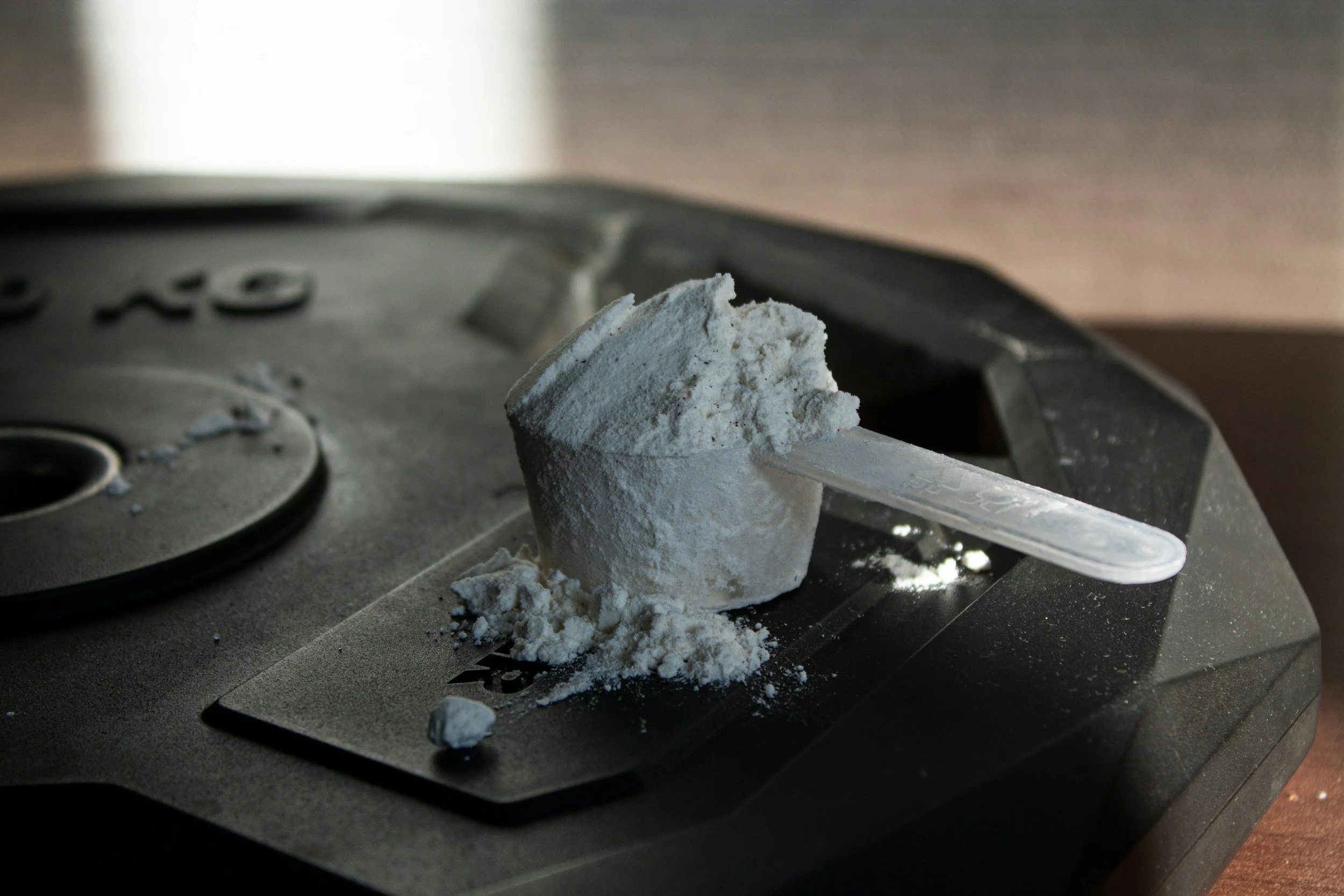
Creatine has been a popular supplement among athletes and bodybuilders for decades. But over the past several years, it has gained attention for another reason: its potential role in supporting muscle health, strength, and healthy aging.
Starting in midlife, maintaining muscle becomes increasingly important. Muscle mass and strength naturally tend to decline with age, and changes in muscle health can affect everything from metabolism and balance to mobility and independence later in life.
So, is creatine worth adding to your routine after 40? Can it help you build or maintain muscle? Is it safe to take it every day? And do you need to be lifting heavy weights to benefit?
Let's take a closer look at what creatine does, what the research tells us, and who may benefit from taking it.
What Is Creatine?
Creatine is a naturally occurring compound your body makes from amino acids. You also get small amounts through foods such as red meat and seafood.
Most of the creatine in your body is stored in your skeletal muscles, where it helps produce energy during short bursts of high-intensity activity. Think weightlifting, sprinting, or other activities that require quick, powerful movements.
When you supplement with creatine, you increase the amount stored in your muscles. This can help your muscles produce energy during exercise, potentially letting you do more reps, lift more weight, or maintain a higher level of effort during a workout.
Over time, that additional training capacity may support improvements in muscle strength and size, particularly when creatine is combined with resistance training.
The most researched form is creatine monohydrate, which I generally recommend when people consider a creatine supplement.
Why Creatine May Matter More After 40
You don't have to be an athlete to benefit from maintaining muscle.
As we move through our 40s, 50s, and beyond, preserving muscle mass and strength becomes increasingly important for long-term health.
Age-related muscle loss can happen gradually. You may notice that it takes longer to recover after a workout, that you're not as strong as you used to be, or that maintaining muscle requires more effort than it once did.
This is one reason strength training becomes so important in midlife.
Creatine may offer additional support by helping improve the results of resistance training. Research in older adults suggests that combining creatine supplementation with resistance exercise can lead to greater improvements in muscle strength and lean body mass than exercise alone.
Here are a few potential benefits worth understanding.
1. Supporting Muscle Strength and Mass
One of creatine's most established benefits is its ability to support improvements in muscle strength and lean body mass when combined with resistance training.
This matters because maintaining muscle isn't just about appearance or athletic performance. Muscle plays an important role in everyday activities, including climbing stairs, carrying groceries, getting up from a chair, and maintaining balance.
As we age, preserving strength can help support physical function and independence. Creatine isn't a replacement for strength training, but it may help you get more out of your workouts.
2. Supporting Exercise Performance
Creatine helps your muscles produce energy during short, intense periods of activity.
This can be helpful during activities such as:
Weightlifting and resistance training
Sprinting or interval training
High-intensity circuit workouts
Exercises that involve repeated bursts of effort
Some people find they can complete more reps or maintain performance longer during a workout. That additional training capacity can contribute to better results over time.
Creatine is less likely to make a noticeable difference during longer, steady-state activities such as distance running or cycling. Its benefits are most established for activities that require repeated, high-intensity effort.
3. Supporting Healthy Aging
Maintaining muscle is an important part of healthy aging.
Muscle strength supports mobility, physical function, and the ability to stay active as we get older. It also plays a role in how your body manages blood sugar and uses energy.
Because creatine may help support muscle strength and lean body mass, researchers are interested in its potential role in addressing age-related changes in muscle health.
Some studies have also explored creatine's potential effects on bone health, cognitive function, and other aspects of aging. However, research in these areas is still ongoing, and the evidence is less established than for muscle strength and exercise performance.
For now, the most practical reason to consider creatine is its potential to support muscle health when paired with consistent resistance training.
Do You Have to Lift Weights to Take Creatine?
You don't have to be a bodybuilder to take creatine, but exercise plays an important role in getting the most out of it.
Research suggests creatine's benefits for muscle strength and lean body mass are most consistent when you combine supplementation with resistance training.
That doesn't mean you need an intense gym routine.
Resistance training can include:
Lifting weights
Using resistance bands
Bodyweight exercises
Working with weight machines
Following a structured strength-training program
The goal is to give your muscles regular opportunities to work against resistance.
If you're taking creatine but aren't doing any resistance training, you may not experience the same muscle-related benefits seen in studies that combine the supplement with exercise.
Think of creatine as a tool that can support your training—not something that replaces it.
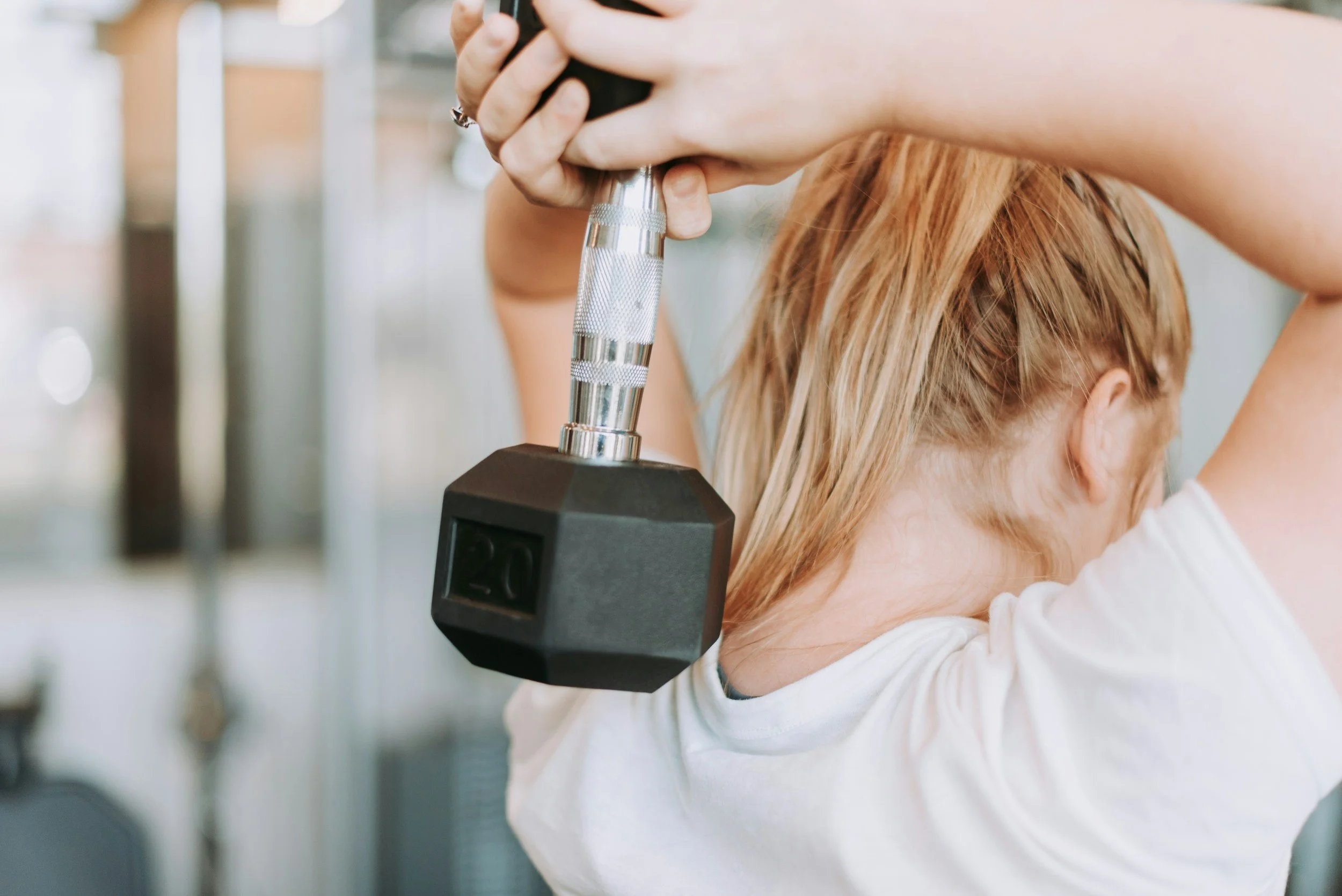
Can Women Over 40 Benefit From Creatine?
Absolutely. Creatine isn't just for men or people trying to build large amounts of muscle.
Women experience changes in muscle mass, strength, and body composition as they age. The hormonal changes associated with perimenopause and menopause can also affect muscle health, recovery, and overall physical performance.
Resistance training is an important part of supporting strength during this stage of life. Creatine may offer additional support when combined with a consistent strength-training routine.
Research in older women has shown potential benefits for muscle strength and other measures of physical function when creatine is combined with resistance exercise.
If you're navigating perimenopause or menopause and finding it harder to maintain muscle or recover from workouts, creatine may be worth discussing as part of a broader approach to supporting your health.
It isn't a treatment for hormonal changes, and it won't replace adequate protein, strength training, or other healthy habits. But it may be one useful tool.
Dr. Dawson's Take
One thing I emphasize with my patients is that maintaining muscle and strength should be a priority long before we reach our senior years. You don't have to wait until you're noticing significant changes in your strength, mobility, or recovery to start paying attention.
Creatine is one supplement I think deserves consideration, especially for adults who strength train and want to support muscle health as they age.
The research is encouraging, particularly when it comes to muscle strength and lean body mass. And unlike many supplements that make big promises, creatine has a substantial body of research behind its use.
But the right supplement plan should always be personalized.
If you're eating well, exercising regularly, and thinking about long-term health, creatine may be one piece of the puzzle. Let's look at your health history, current routine, and goals to determine what makes sense for you.
Healthy aging means making informed decisions that help you stay strong, active, and like yourself.