
Menopause Superfoods: Essential Nutrients for Balance, Energy, and Long-Term Health
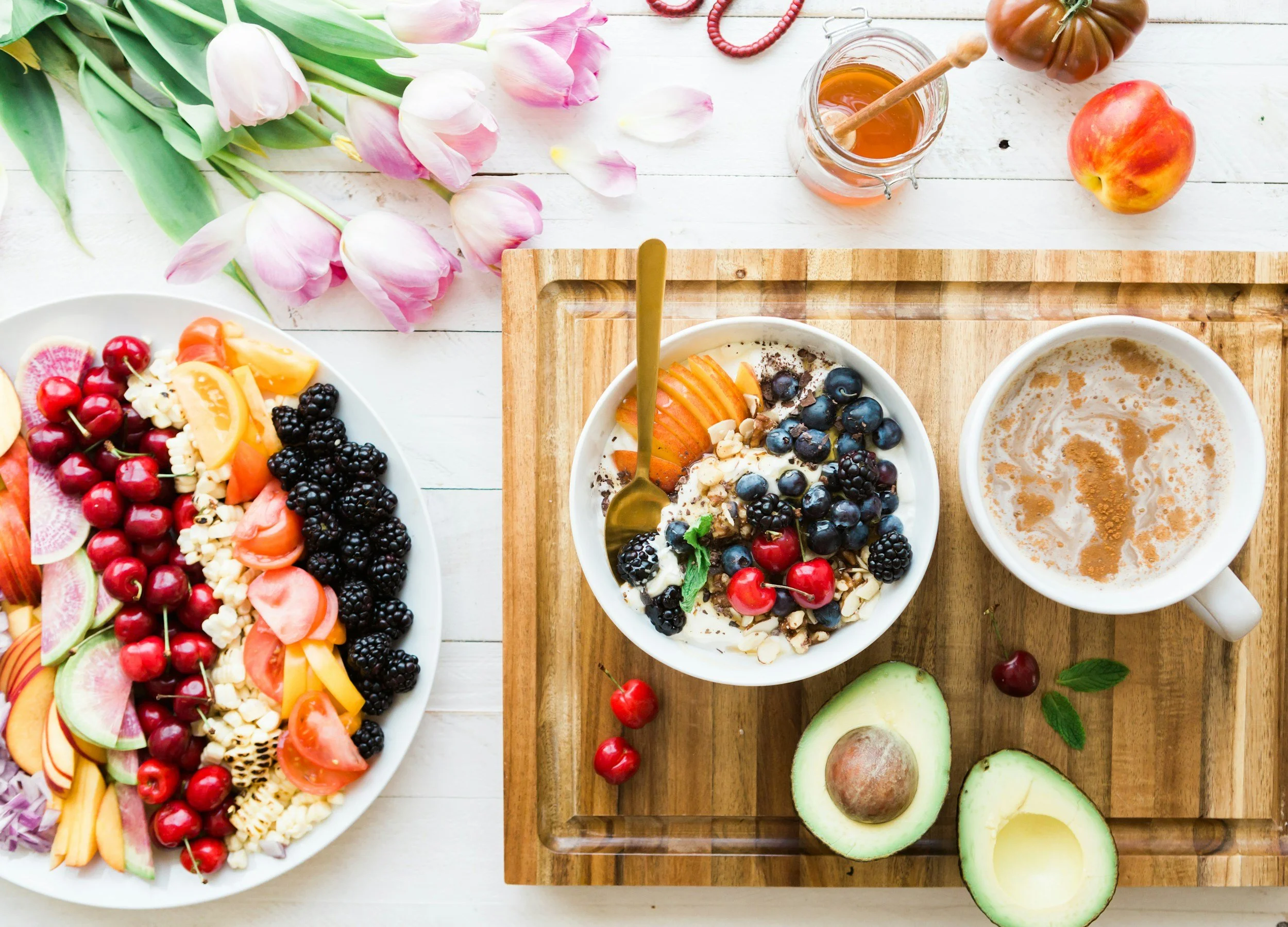
Menopause isn’t just about hormones; it’s about how your entire body adapts to hormonal change. Nutrition plays a powerful supporting role in easing symptoms, protecting long-term health, and helping you feel more stable during this transition.
There’s no single “menopause diet,” but certain nutrients consistently matter more during midlife. These are the foundations I focus on when supporting women through perimenopause and menopause.
Key Nutrients That Support Menopause Health
Protein
Why It Matters: Estrogen helps preserve muscle mass. As levels decline, women lose lean muscle more rapidly, a process called sarcopenia. Muscle is not just cosmetic; it regulates blood sugar, supports bone density, protects joints, and drives long-term metabolic health.
Benefits:
Preserves lean muscle mass
Supports metabolism and insulin sensitivity
Enhances satiety and weight stability
Protects bone health
Improves strength and functional longevity
Best Food Sources: Greek yogurt, eggs, cottage cheese, chicken, turkey, salmon, lean beef, tofu, tempeh, lentils, and protein-rich smoothies.
Calcium
Why It Matters: Estrogen helps maintain bone density. As estrogen levels decline, bone loss accelerates, increasing fracture risk.
Benefits:
Supports bone strength
Helps reduce osteoporosis risk
Best Food Sources: Greek yogurt, cottage cheese, sardines, fortified plant milks, and leafy greens
Vitamin D
Why It Matters: Vitamin D is essential for calcium absorption and plays a role in immune health and mood regulation, areas often impacted during menopause.
Benefits:
Enhances bone health
Supports immune function
May help regulate mood
Best Food Sources: Fatty fish (salmon, sardines), egg yolks, and fortified dairy or plant milks
(Sun exposure and supplementation are often necessary)
B Vitamins
Why They Matter: B vitamins support cellular energy production and brain function, two areas commonly affected during perimenopause.
Benefits:
Improves energy levels
Supports cognitive clarity
Aids nervous system function
Best Food Sources: Eggs, legumes, leafy greens, whole grains, and poultry
Omega-3 Fatty Acids
Why They Matter: Omega-3s help counter inflammation, which increases as estrogen declines, and support cardiovascular and mental health.
Benefits:
Reduces inflammation
Supports heart health
May improve mood and joint comfort
Best Food Sources: Salmon, mackerel, chia seeds, flaxseeds, and walnuts
Fiber
Why It Matters: Fiber supports blood sugar regulation, gut health, and weight management, which are common challenges during menopause.
Benefits:
Improves digestion
Supports heart health
Helps stabilize weight and insulin response
Best Food Sources: Vegetables, berries, legumes, oats, and seeds
A Simple Menopause-Supportive Meal Plan

Breakfast
Greek yogurt bowl with berries, chia seeds, and a scoop of protein powder
(30g+ protein, calcium, fiber, omega-3s)
Lunch
Salmon salad with mixed greens, olive oil, quinoa, avocado
(Omega-3s, protein, fiber, vitamin D)
Snack
Cottage cheese with sliced apple and walnuts
(Protein, healthy fats, fiber)
Dinner
Grilled chicken or lentils, roasted vegetables, and sweet potatoes
(High protein, fiber, B vitamins)
Evening Option
Herbal tea or fortified plant milk
(Calcium, calming routine support)
Dr. Dawson’s Take
Nutrition alone won’t “fix” menopause, but it can significantly improve how your body responds to hormonal change. When food choices align with your physiology, symptoms often become more manageable, and long-term risks become more preventable.
The goal isn’t restriction or perfection. It’s nourishment, consistency, and personalization. If you’re navigating fatigue, weight changes, sleep disruption, or muscle loss, a comprehensive plan that includes nutrition, strength training, and medical guidance can make a meaningful difference.