
The “Pink Pill,” Menopause, and the Truth About Low Libido in Midlife

Low libido in midlife women is often misunderstood. It’s commonly attributed to stress, relationship dynamics, and aging.
But for many women in their 40s, 50s, and beyond, the shift in sexual desire is not just emotional or situational. It’s physiological.
As women move through perimenopause and menopause, libido can be significantly impacted by changes in hormones, sleep, and brain chemistry.
Why Libido Changes in Perimenopause and Menopause
Sexual desire is not controlled by a single system.
It’s influenced by a combination of:
Hormones (estrogen and testosterone)
Brain chemistry (dopamine and serotonin)
Sleep quality
Stress and cortisol
Overall metabolic health
During perimenopause, hormone levels fluctuate unpredictably. During menopause, estrogen and testosterone decline more steadily.
These changes can lead to:
Reduced sexual desire
Decreased arousal or sensitivity
Vaginal dryness or discomfort
Lower energy and increased fatigue
Changes in mood and mental clarity
For many women, these symptoms appear before their periods end. And often, they’re dismissed.
Where Addyi Fits In
Addyi was developed to address hypoactive sexual desire disorder (HSDD) by working at the brain level. The Netflix documentary The Pink Pill: Sex, Drugs & Who Has Control brings this conversation into focus, highlighting both the demand for treatment and the complexity behind it.
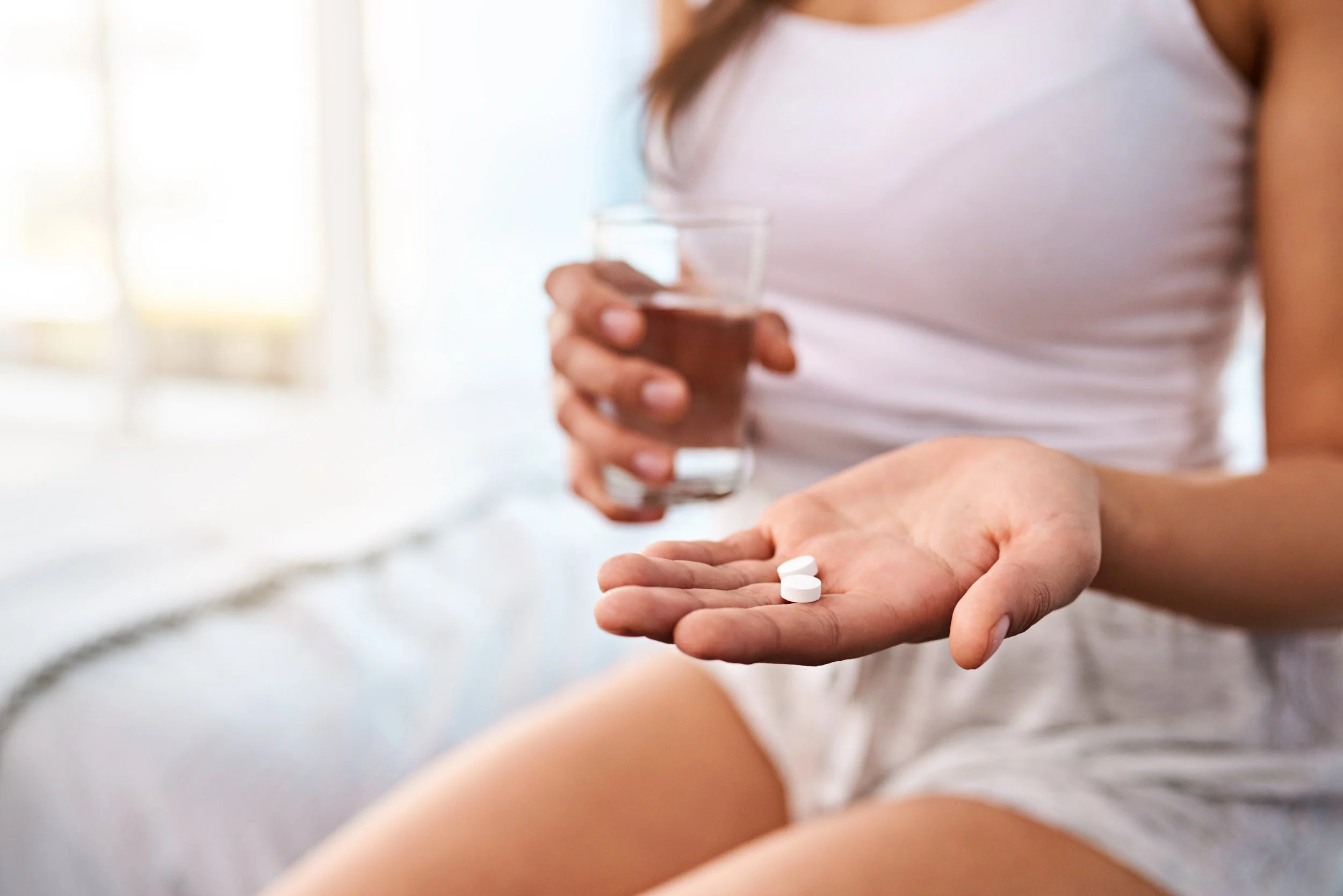
It helps rebalance neurotransmitters by:
Decreasing serotonin
Increasing dopamine and norepinephrine
These are key drivers of motivation, reward, and desire.
In clinical trials, women taking Addyi experienced:
Increased interest in sex
More satisfying sexual experiences
Reduced distress related to low libido
Importantly, in December 2025, the FDA expanded Addyi’s approval to include postmenopausal women under age 65.
This reflects a growing recognition that low libido in midlife is real and treatable.
But Libido in Midlife Is Not Just a Brain Chemistry Issue
While Addyi targets neurotransmitters, it does not address the full picture of what’s happening during menopause.
In midlife women, libido is often affected by:
Declining estrogen – affecting vaginal health and comfort
Declining testosterone – affecting desire and drive
Sleep disruption – which lowers both hormones and energy
Chronic stress – which suppresses sexual interest
This is why many women describe feeling: “I just don’t feel like myself anymore.”
Because the issue isn’t just desire. It’s a system-wide change.
The Risk of Oversimplifying Low Libido
One of the key tensions explored in The Pink Pill is this: Is low libido a condition to treat or a natural variation to accept?
In midlife, the answer is nuanced. Hormonal transitions are normal. But suffering through symptoms is not required.
The goal is not to medicalize every change. But it’s also not to dismiss persistent, distressing symptoms as inevitable.
Women deserve accurate information, thoughtful evaluation, and a range of options.
A More Complete Approach to Midlife Sexual Health
For women in perimenopause and menopause, treatment should be individualized.

Options may include:
Hormone therapy (estrogen and/or testosterone when appropriate)
Medications like Addyi
Sleep optimization
Stress and nervous system support
Addressing vaginal health and comfort
No single treatment works for everyone, and no single cause explains every case.
Dr. Dawson’s Take
If you’re experiencing changes in libido during perimenopause or menopause, you’re not alone, and you have options.
Medications like Addyi represent meaningful progress in acknowledging women’s sexual health as a piece of a much larger picture.
Book a consultation to evaluate your hormones, sleep, and overall health. Together, we’ll create a personalized plan that supports your body through this transition.
Low libido can be one of the first signals that the body is shifting hormonally, neurologically, and metabolically. Don’t wait to do something about it!