
Cold Plunging Benefits for Men in Midlife
Cold plunging — or immersing your body in cold water—has become a popular health trend. You may have seen athletes, biohackers, or even friends raving about it. But what does the science say, and more importantly, what does it mean for men in midlife?
Let’s take a closer look at the potential benefits, the risks, and how to approach cold plunging safely if you’re considering adding it to your routine.
Potential Benefits of Cold Plunging
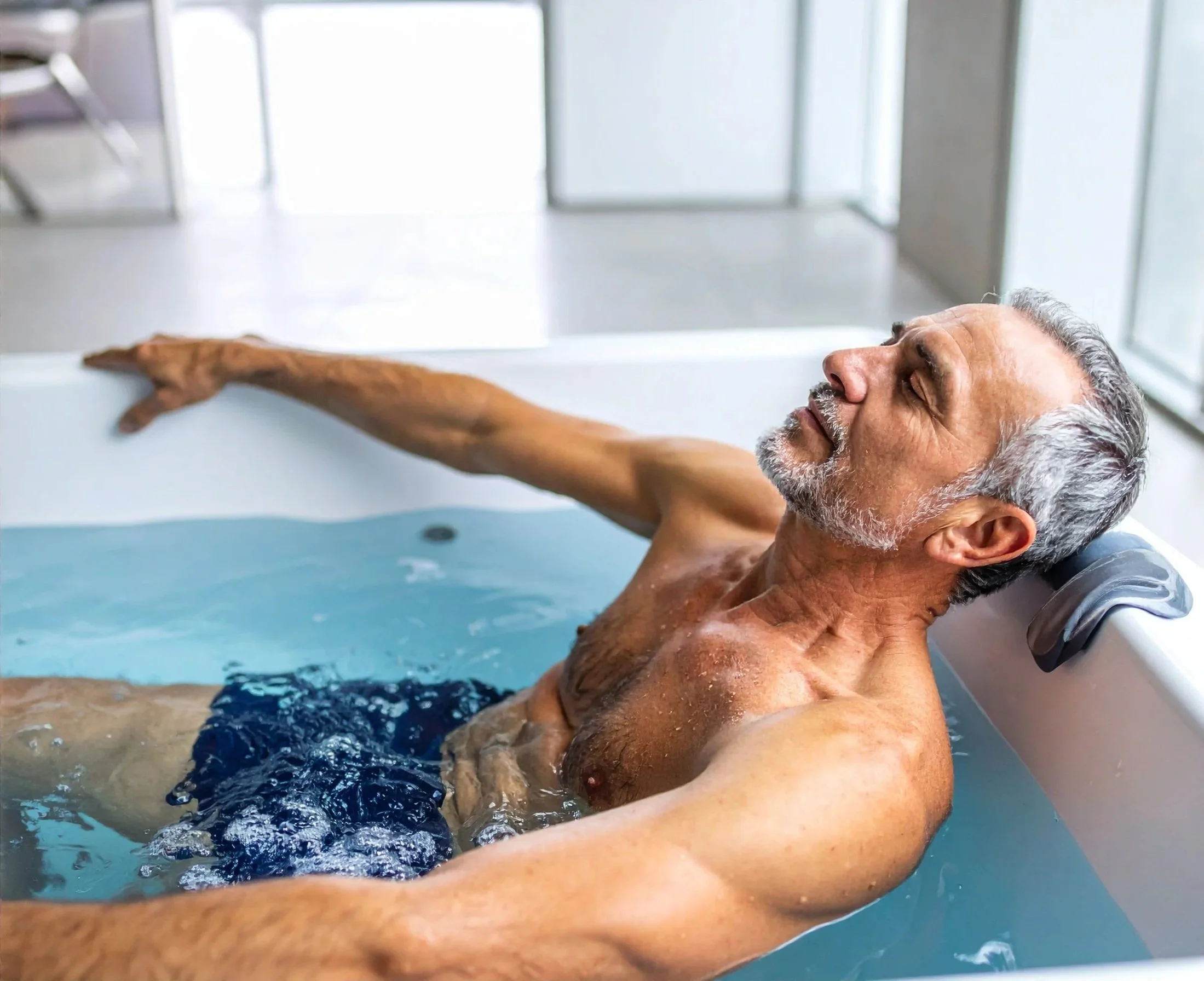
Cold plunging isn’t just a fad—it has some fascinating effects on the body that may be especially meaningful for men in midlife. Here are a few of the benefits researchers are exploring:
Faster recovery after exercise: Cold water can calm inflammation and reduce muscle soreness, helping you bounce back more quickly after workouts.
Metabolic support: Exposure to cold activates brown fat, a type of fat that burns energy to keep you warm. This may improve insulin sensitivity and support a healthier metabolism.
Sharper mood and focus: That rush you feel when you hit the cold water comes from dopamine and norepinephrine—brain chemicals that boost alertness, mood, and resilience.
Hormone balance: Cold plunging may help reduce cortisol (your body’s main stress hormone) and support a healthier testosterone-to-cortisol balance, which naturally shifts as men age.
Better sleep: Lowering your core body temperature can help signal to your body that it’s time for rest, leading to deeper, more restorative sleep.
Sperm health: Because cooler temperatures benefit sperm quality, cold plunging may offer added support in this area as well.
Risks and Important Precautions
While the potential benefits are exciting, it’s just as important to acknowledge the risks. Cold plunging puts real stress on the body, and for some men, it can be unsafe. Here’s what to keep in mind:
Heart and circulation stress: Cold water causes your blood vessels to tighten and your heart rate to rise quickly, which may be risky for anyone with heart disease, high blood pressure, or circulation problems.
The cold shock response: The sudden gasp reflex when you first hit icy water can be dangerous, especially if your head is submerged.
Hypothermia risk: Staying in too long can dangerously lower your core temperature, leading to confusion or even unconsciousness.
Pre-existing conditions: If you have diabetes, Raynaud’s syndrome, or poor circulation, cold plunging may worsen your symptoms.
Considerations for Men in Midlife
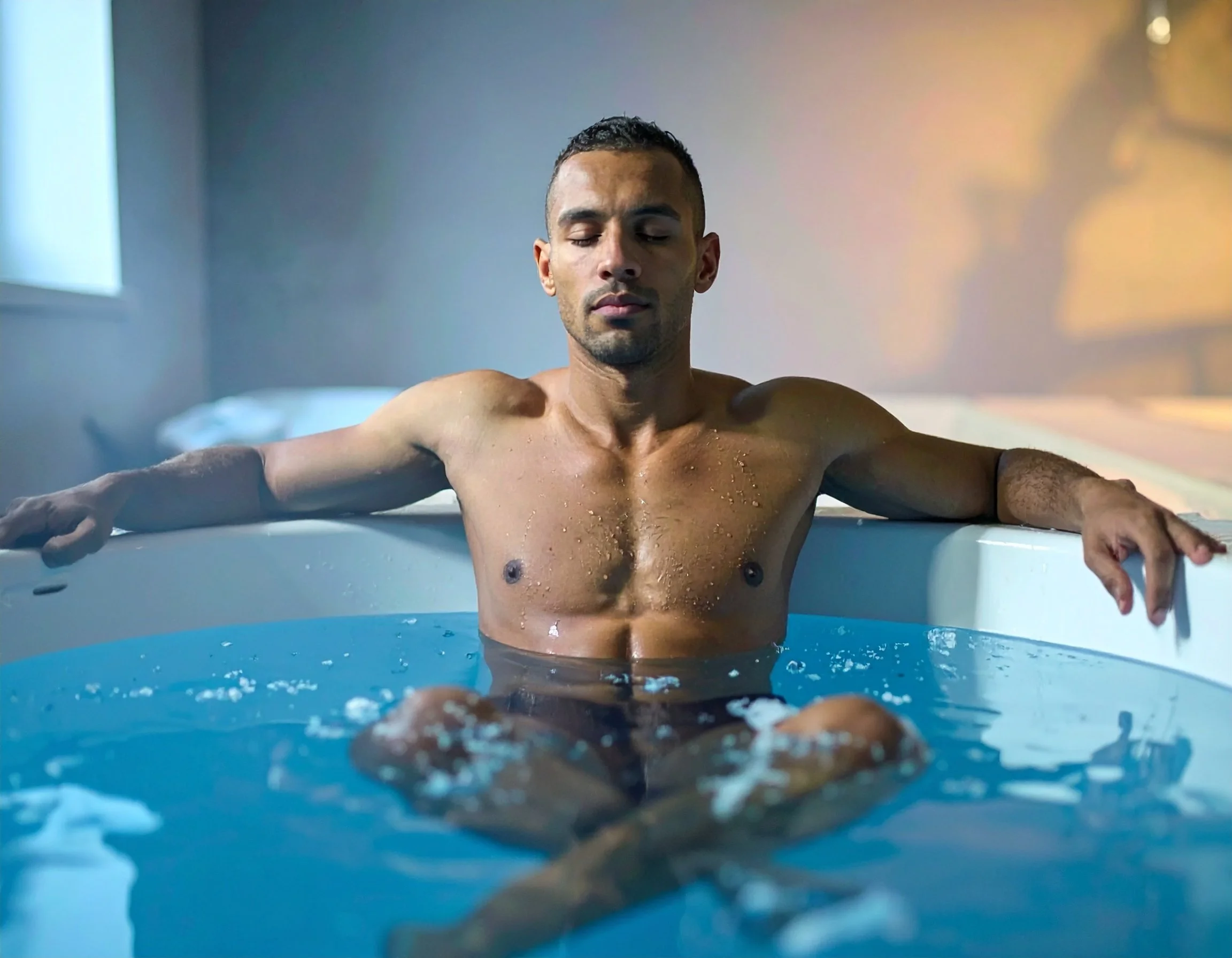
For men in midlife, cold plunging can be a worthwhile practice, but it’s important to approach it with both curiosity and caution. The first step is making sure it’s safe for you—especially if you have a history of heart disease, high blood pressure, or diabetes. A quick conversation with your doctor can help you determine whether it’s a good fit.
If you do decide to try it, ease in gradually. Starting with cool showers or short dips in moderately cold water allows your body time to adjust without overwhelming your system. And remember, safety comes first—never plunge alone. Timing also matters; if your primary goal is muscle growth, it’s best to wait a few hours after a strength workout before getting into cold water, since immediate exposure can interfere with the body’s natural muscle-building process.
Most importantly, keep in mind that cold plunging is not a substitute for the foundations of good health. Prioritizing sleep, nutrition, movement, and stress management will always play the biggest role in how you feel as you move through midlife. Cold plunging can be a supplement, but the basics remain the true cornerstone of long-term health.

Additional Resources to Learn More
If cold plunging has sparked your curiosity, there are some excellent science-based voices who dive into this topic:
Andrew Huberman, PhD – Huberman Lab Podcast: Dr. Huberman is a Stanford neuroscientist who explains how the brain and body respond to different stressors. His episode on cold plunges and deliberate cooling explores how cold exposure affects metabolism, mood, and recovery, and how to apply it safely.
Peter Attia, MD – The Drive Podcast: Dr. Attia focuses on longevity and health optimization. In his overview of cold therapy, he breaks down the evidence for metabolic, recovery, and cardiovascular effects—especially relevant for men in midlife.
These resources are great next steps if you’d like to dig into the science and practical tips behind cold therapy. And as always, if you’re considering making cold plunging a regular practice, consult with your healthcare provider to ensure it’s right for you.
Dr. Dawson’s Take
Cold plunging can be an invigorating and even beneficial practice when done carefully. For men in midlife, it’s important to view it as a complement—not a replacement—for the core habits that support long-term health: sleep, exercise, nutrition, and stress management.
If you’re curious about whether cold plunging might fit into your overall health plan, let’s talk it through. I can help you evaluate both the potential benefits and the risks based on your unique health history.
Book a consultation to take the next step toward supporting your health and energy in midlife.