
Do Perimenopause and Menopause Cause Weight Gain?
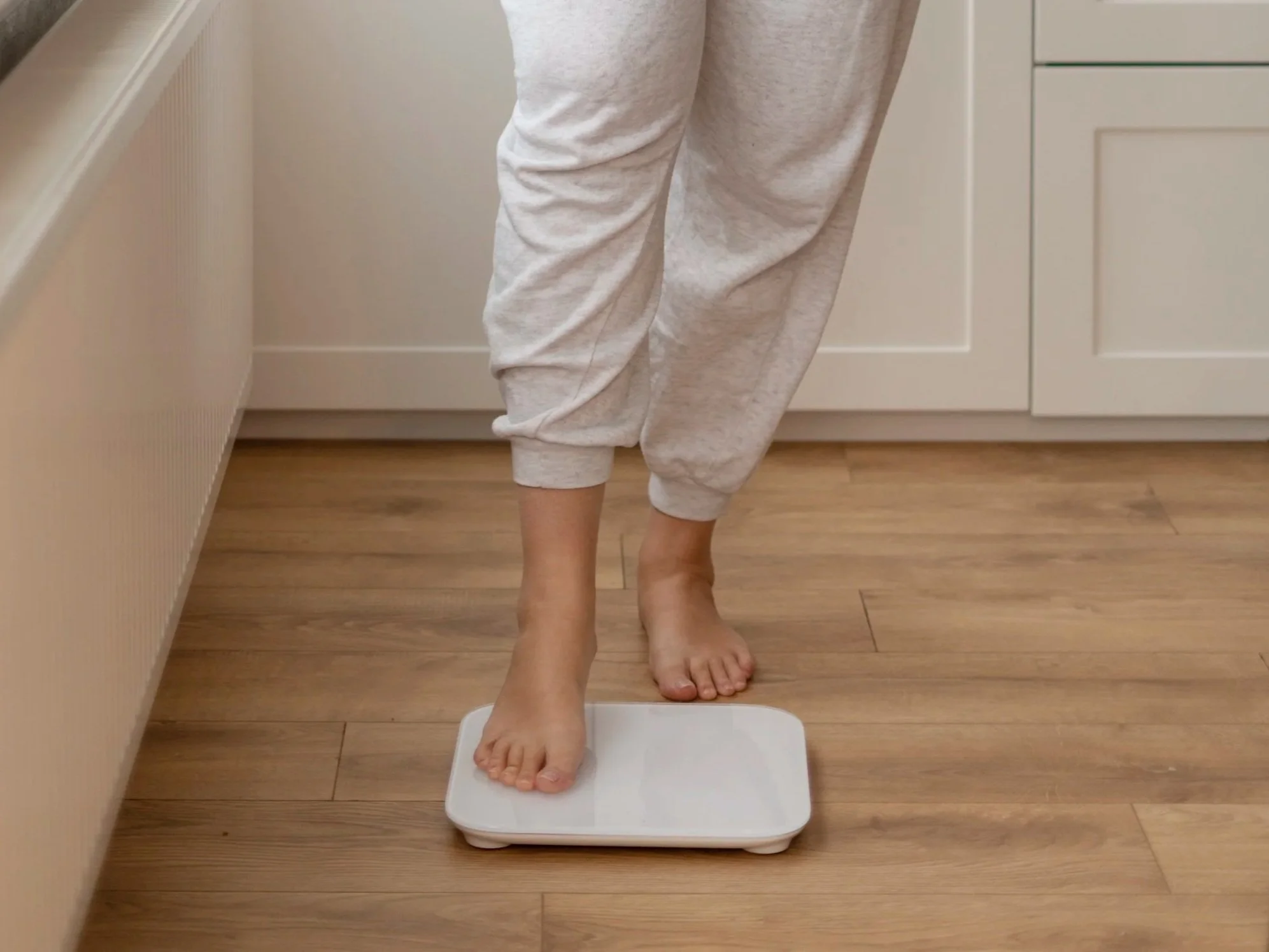
Weight gain during perimenopause and menopause is one of the most common—and frustrating—concerns I hear from women in midlife. The shifts in your body during this transition can affect metabolism, hormones, and the way weight is carried.
Let’s break down what’s really going on, and more importantly, what you can do about it.
The Changes Happening in Your Body
As estrogen and progesterone levels fluctuate and eventually decline, your body responds in noticeable ways. Estrogen, in particular, plays a role in how fat is distributed. With less estrogen, fat is more likely to accumulate around the abdomen rather than the hips and thighs.
At the same time, aging itself brings natural changes—such as decreased muscle mass and a slower metabolism—that make weight maintenance more challenging. Perimenopause and menopause simply layer additional complexity on top of these shifts.
How These Changes Lead to Weight Gain
The combination of hormone changes, slower metabolism, and lifestyle stressors often leads to:
Increased abdominal fat – A shift from pear-shaped to more apple-shaped weight distribution.
Loss of muscle mass – Muscle burns more calories than fat, so losing muscle slows metabolism.
Insulin resistance – Hormonal changes can make it harder for your body to regulate blood sugar, leading to weight gain.
Sleep disruption – Night sweats and insomnia can affect appetite-regulating hormones, leading to increased cravings and fatigue-driven eating.
Stress and cortisol – Midlife stressors raise cortisol, which encourages abdominal weight gain.
What You Can Do To Help Manage Your Weight
Prioritize strength training: Building and maintaining muscle mass supports metabolism.
Choose balanced nutrition: Focus on protein, fiber-rich carbs, and healthy fats to stabilize blood sugar and support satiety.
Stay active daily: Walking, aerobic exercise, and activities you enjoy keep energy levels up and weight in check.
Support quality sleep: A cool, dark room and a consistent bedtime can help reduce nighttime disruptions.
Manage stress intentionally: Mindfulness, hobbies, and relaxation practices help lower cortisol.

Dietary Approaches to Manage Menopausal Weight Gain
Adopting a healthy eating plan can help manage weight during perimenopause and menopause. Here are three diets that have been shown to be beneficial:
DASH Eating Plan
The Dietary Approaches to Stop Hypertension (DASH) diet is designed to prevent and manage high blood pressure, but also offers benefits for weight management.
Fruits and vegetables
Whole grains
Lean proteins like poultry, fish, and beans
Low-fat dairy products
Nuts and seeds
Limiting sodium, added sugars, and saturated fats
Mediterranean Diet
The Mediterranean diet is a healthier way of eating rather than a specific diet plan. This diet limits sugar and highly processed foods; many studies have shown health benefits.
High intake of fruits, vegetables, whole grains, and legumes
Healthy fats from olive oil and nuts
Lean proteins, particularly fish
Moderate consumption of dairy and red wine
Limiting red meat and processed foods
Galveston Diet
The Galveston Diet is a newer approach designed specifically for women in perimenopause and menopause.
Anti-inflammatory foods: Emphasizing whole, unprocessed foods to reduce inflammation.
Intermittent fasting: Incorporating periods of fasting to promote fat loss.
Nutrient timing: Focusing on when and how to eat to optimize metabolism.
Curious which plan would be best for you? We can work together to holistically improve your health and choose a dietary plan that fits your lifestyle. Book a consultation today.

When to Seek Assistance
If you’ve made changes and still find weight difficult to manage—or if you’re experiencing rapid changes in mood, energy, or body composition—it may be time to seek medical guidance.
It's important to see a doctor if menopause symptoms interfere with your quality of life. Hormone replacement therapy (HRT), sleep support, or other targeted treatments may improve your overall quality of life.
Dr. Dawson’s Take
Weight gain during perimenopause and menopause is experienced by more than half of women. Your body is responding to powerful hormonal shifts, but you don’t have to face this stage of life alone. With the right strategies and support, it is possible to feel strong, balanced, and confident in your body again.
If you’re ready to take a personalized approach, book a consultation so we can talk about what’s happening in your body and how to best support your health during this transition.