
How to Reset Your Sleep, Hormones, and Energy After Summer
Summer often brings a welcome change of pace. While these seasonal changes can be good for the soul, they can also leave your body feeling out of rhythm.
As fall approaches, many people notice they're having trouble getting back into a routine. Sleep feels inconsistent. Energy is lower than expected. Workouts feel harder. Motivation isn't where it used to be.
It's easy to blame a busy schedule. Other times, summer simply reveals underlying issues with sleep, hormones, recovery, or overall health that were already there.
The beginning of fall is a great opportunity to reset.

Why Summer Can Leave You Feeling Run Down
Even healthy routines tend to loosen during the summer.
You may have:
Stayed up later
Traveled across time zones
Slept in on weekends
Eaten differently
Exercised less consistently
Consumed more alcohol than usual
Experienced more heat-related dehydration
None of these habits are "bad," but together they can disrupt the body's normal rhythms.
For many people, the result is:
Poor sleep
Afternoon fatigue
Brain fog
Slower recovery
Lower motivation
If these symptoms don't improve once life settles down, it may be time to look deeper.

Step 1: Reset Your Sleep Schedule
Sleep is one of the most powerful tools for restoring energy, supporting hormone health, and improving recovery.
Instead of trying to "catch up" on sleep, focus on consistency.
A few simple habits can make a meaningful difference:
Wake up at the same time every day.
Get outside for morning sunlight within the first hour of waking.
Limit screen time before bed.
Keep your bedroom cool, dark, and quiet.
Avoid large meals and alcohol close to bedtime.
Good sleep doesn't just improve how you feel tomorrow; it supports nearly every system in your body.
Step 2: Rebuild Your Daily Energy
Many people respond to fatigue by reaching for more caffeine. Instead, start with the basics.
Ask yourself:
Am I eating enough protein?
Am I drinking enough water?
Am I eating balanced meals throughout the day?
Am I moving regularly?
Stable blood sugar, proper hydration, and adequate nutrition all play an important role in maintaining steady energy.
If you're still crashing every afternoon despite healthy habits, it may be worth evaluating other underlying causes.

Step 3: Get Back to Strength Training
Strength training isn't just about building muscle. It's one of the most effective ways to support healthy aging.
Regular resistance training helps maintain:
Muscle mass
Bone density
Insulin sensitivity
Balance
Functional independence
Metabolic health
You don't have to train every day. Consistency matters far more than perfection.
Step 4: Don't Ignore Changes in Your Recovery
Many people notice changes in recovery before they notice other symptoms.
Maybe you're more sore after workouts. Weekend projects leave you exhausted. Golf or pickleball takes longer to recover from than it used to.
These changes aren't always simply part of getting older.
Recovery is influenced by:
Sleep quality
Hormone health
Nutrition
Stress
Muscle mass
Chronic inflammation
Pay attention to what your body is telling you.
Step 5: Consider Whether Hormones Could Be Playing a Role
If you've been thinking: "I just don't feel like myself." Hormones may be part of the conversation.
For Women
Perimenopause and menopause can affect:
Sleep
Mood
Brain fog
Stress tolerance
Energy
Recovery
Many women notice these changes years before their periods stop.
For Men
Fatigue isn't always caused by a demanding schedule.
Changes in testosterone, sleep quality, body composition, or metabolic health can all contribute to:
Lower energy
Longer recovery
Reduced motivation
Difficulty building muscle
Lower libido
The goal isn't to assume hormones are the cause. It's to understand what's driving your symptoms.
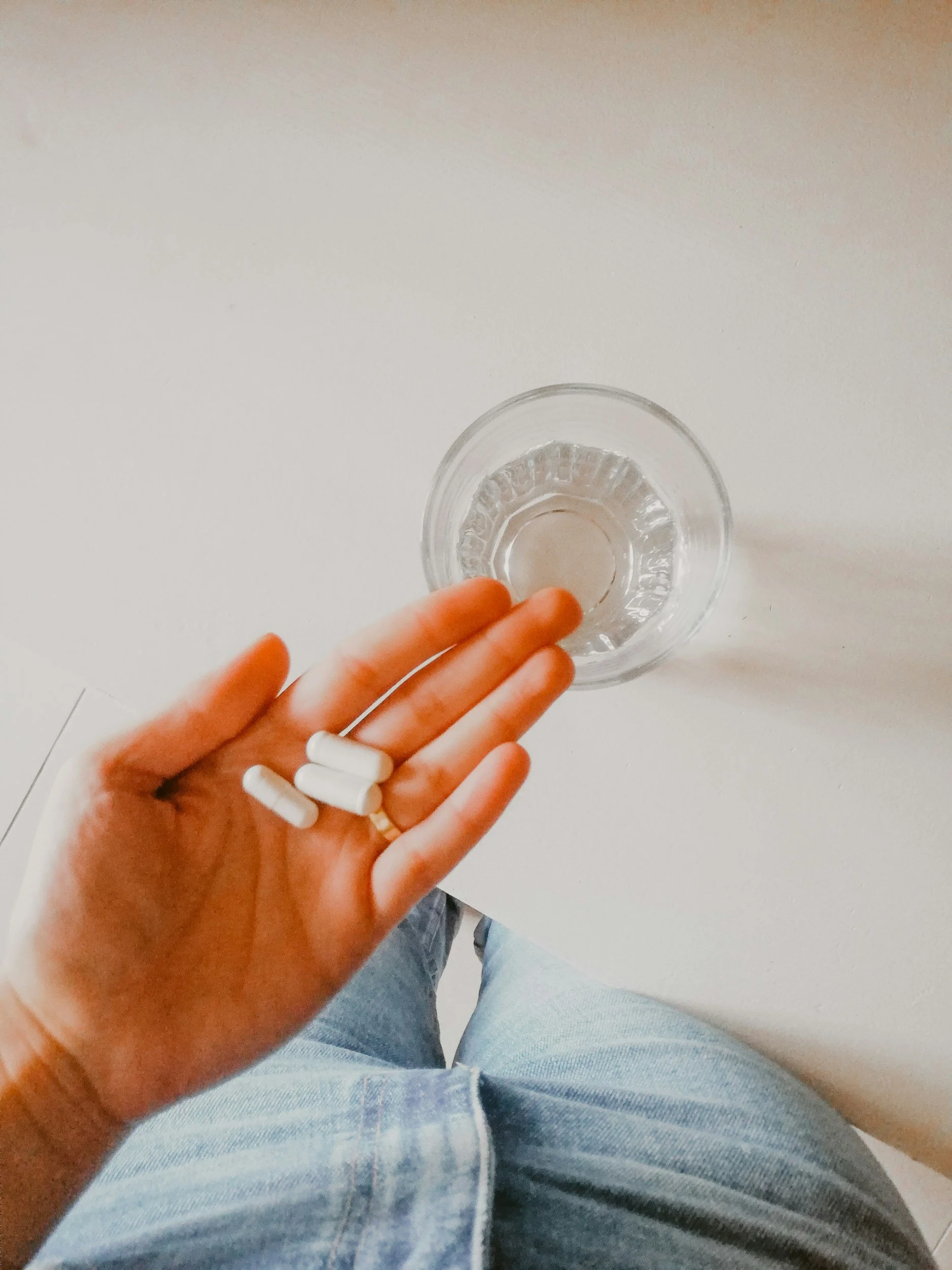
Step 6: Review Your Supplements
Fall is a good time to simplify. Rather than adding more supplements, ask whether you're taking the ones that actually support your goals.
For many adults, this starts with a strong foundation that may include:
Protein (if dietary intake is low)
Creatine
Magnesium
Omega-3 fatty acids
Vitamin D (when appropriate)
The best supplement plan is one that's personalized to your health, lab work, and lifestyle—not the latest trend.

When It's Time to Look Beyond Lifestyle
Healthy habits make a tremendous difference. But they don't explain everything.
If you've returned to your routine and you're still experiencing:
Poor sleep
Afternoon energy crashes
Brain fog
Weight changes
Lower motivation
Slower recovery
Feeling unlike yourself
there may be an underlying issue worth evaluating.
Hormonal changes, sleep disorders, thyroid conditions, nutrient deficiencies, and metabolic concerns can all affect how you feel every day.
The sooner you identify the cause, the sooner you can create a plan that actually addresses it.
Dr. Dawson's Take
Every September, people tell themselves they're going to "get back on track."
I think that's a great goal, but it starts with understanding where you are today.
If your energy hasn't bounced back after summer, don't assume you simply need more discipline. Your body may be telling you something.
Sometimes the answer is improving sleep habits or rebuilding your exercise routine. Sometimes it's identifying an underlying hormonal or metabolic issue.
The goal isn't to chase more energy with caffeine or another supplement. The goal is to understand why your energy changed in the first place.
If you don't feel like yourself heading into fall, now is a great time to take a closer look. Small changes today can make a meaningful difference in how you feel through the rest of the year.