
“I Don’t Feel Like Myself”: One of the Earliest Signs of Perimenopause

One of the most common things I hear from women is: "I just don't feel like myself anymore."
They aren't necessarily experiencing hot flashes. Their periods may still be regular. They may not even be thinking about menopause yet. But something feels different.
They're more anxious than they used to be. Their sleep isn't as restful. They're more irritable. More overwhelmed. Less resilient to stress. They may find themselves wondering: "Is this just aging?" "Am I doing something wrong?" "Why do I feel so different?"
For many women, these changes are actually some of the earliest signs of perimenopause.
What Is Perimenopause?
Perimenopause is the transitional phase leading up to menopause.
During this time, the ovaries gradually begin producing less estrogen and progesterone. However, these hormones do not decline in a straight line. Instead, they fluctuate.
Those fluctuations can affect multiple systems throughout the body, including:
Sleep
Mood
Energy
Metabolism
Brain function
Stress response
Menstrual cycles
Perimenopause is not a disease. It is a normal biological transition. But that does not mean the symptoms are insignificant.
What Age Does Perimenopause Start?
Most women begin perimenopause sometime between their late 30s and mid-40s. The average age is mid-40s, but symptoms can begin earlier. For some women, the first signs appear around age 38–42. Others may not notice symptoms until their late 40s.
Perimenopause can last anywhere from a few years to more than a decade before menopause occurs. Menopause is 12 consecutive months without a menstrual period. Everything leading up to that point is considered perimenopause.
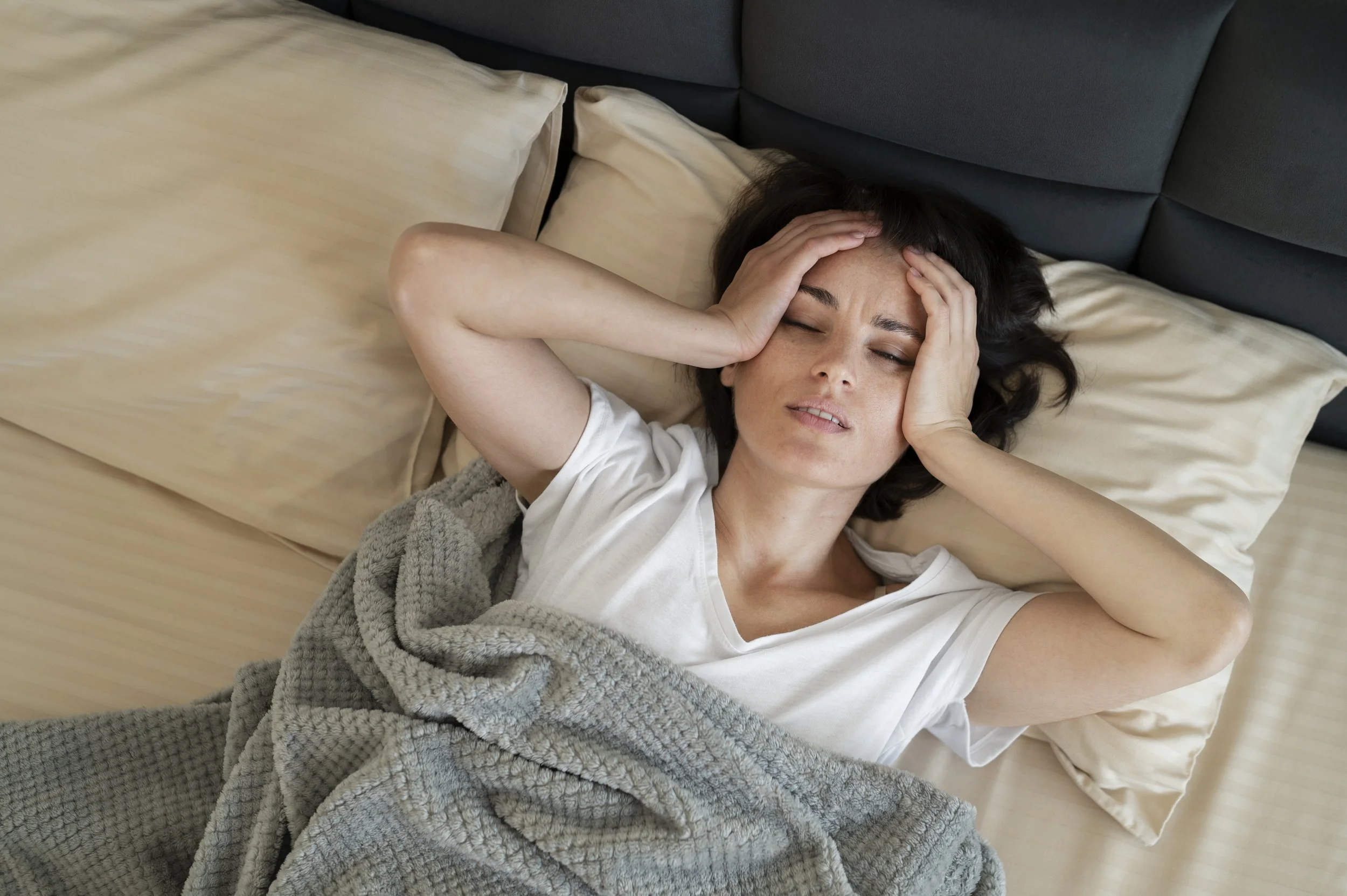
Why "I Don't Feel Like Myself" Is Such a Common Symptom
Many women expect perimenopause to start with hot flashes. In reality, changes in mood, energy, and sleep often show up first.
Estrogen plays an important role in regulating:
Serotonin
Dopamine
Cortisol
Sleep cycles
Body temperature
Stress resilience
As estrogen fluctuates, many women begin noticing changes that are difficult to describe. Nothing may seem dramatically wrong. Yet everything feels a little different.
You may feel:
More anxious
More emotionally reactive
Less patient
More easily overwhelmed
Less motivated
Less mentally sharp
More fatigued

Many women simply sum it up by saying, "I don't feel like myself."
Early Signs of Perimenopause
Perimenopause symptoms can vary from woman to woman. Some of the most common early signs include:
Sleep Changes
Many women notice sleep disruption before any other symptom. You may wake frequently during the night, wake around 2–3 a.m., feel less rested in the morning, and struggle with night sweats.
Increased Anxiety
Women who have never experienced anxiety may suddenly feel more worried, on edge, and overwhelmed. Overall, many women struggle to manage stress due to these increases in anxiety.
Irritability
Small frustrations may suddenly feel much bigger. Many women describe having a shorter fuse than they used to.
Brain Fog
You may notice forgetfulness, difficulty concentrating, trouble finding words, and mental fatigue.
Changes in Your Menstrual Cycle
Periods may become heavier, lighter, more frequent, or less predictable.
Weight Changes
Many women notice changes in body composition, abdominal weight gain, muscle mass, and metabolic flexibility even when their habits remain the same.
Lower Stress Tolerance
Things you used to handle easily may suddenly feel more difficult; this is one of the most overlooked symptoms of perimenopause.
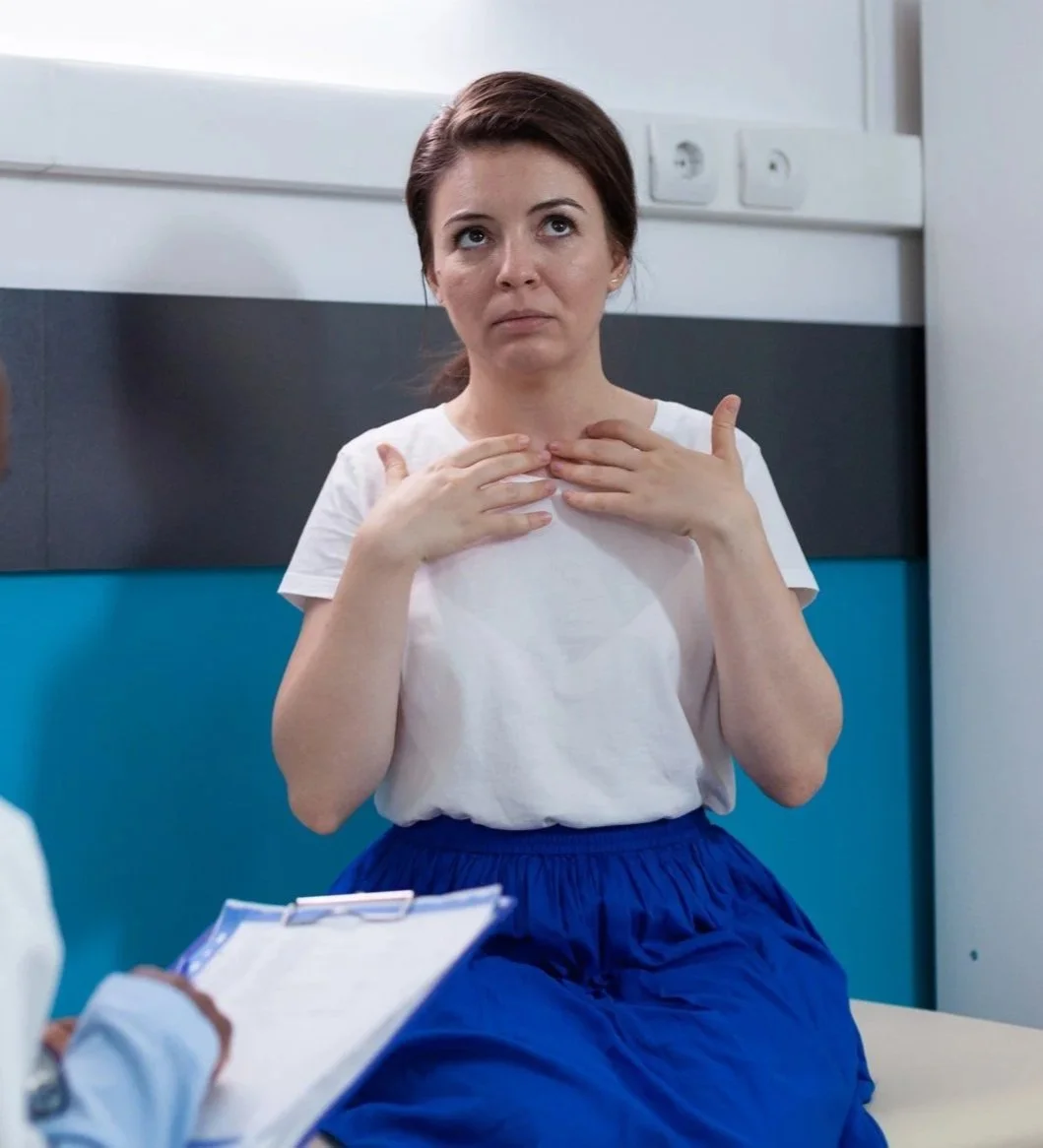
How Do You Know If You're in Perimenopause?
There is no single lab test that definitively diagnoses perimenopause. Because hormones fluctuate significantly during this transition, lab values can appear "normal" while symptoms are very real.
Normal lab values are one of the reasons many women become frustrated. They know something has changed. Yet their labs may not provide clear answers.
Perimenopause diagnosis is determined by:
Age
Symptoms
Menstrual history
Overall health history
Hormonal evaluation when appropriate
Listening to your symptoms matters. If you don't feel like yourself, that is important.
Can Perimenopause Cause Anxiety?
Anxiety is often one of the earliest symptoms women notice. Estrogen interacts with several neurotransmitters involved in mood regulation, including serotonin and dopamine.
When estrogen fluctuates, some women experience increased anxiety, panic symptoms, racing thoughts, or feeling emotionally overwhelmed.
The symptoms are "all in your head." Real physiological changes often drive them.
Treatment Options for Perimenopause Symptoms
The best treatment depends on your symptoms, health history, goals, and risk factors.
A personalized approach is important because no two women experience perimenopause the same way.
Lifestyle Support
These habits help support the systems most affected during perimenopause. The foundation often includes:
Strength training
Adequate protein intake
Sleep optimization
Stress management
Regular movement
Metabolic health support
Hormone Replacement Therapy (HRT)
For some women, hormone therapy can significantly improve symptoms. The right option depends on the individual.
HRT may help support:
Sleep
Mood
Anxiety
Hot flashes
Night sweats
Cognitive function
Quality of life
Treatment options may include:
Estrogen patches
Estrogen gels
Estrogen sprays
Oral estrogen
Progesterone therapy
Combination hormone therapy
Non-Hormonal Options
Not every woman is a candidate for hormone therapy. There are also evidence-based non-hormonal approaches that may help manage symptoms. The key is understanding what is driving your symptoms and creating a plan that fits your needs.
When Should You Seek Help?
Many women spend years assuming they simply need to try harder, stress less, sleep better, and exercise more. Sometimes those things help. Sometimes the issue is that hormones are changing.
If you've noticed anxiety, sleep disruption, brain fog, irritability, weight changes, or feeling unlike yourself, it may be worth having a conversation with a provider who understands perimenopause.
You do not need to wait until symptoms become severe.
Dr. Dawson's Take
One of the biggest misconceptions about perimenopause is that it begins with hot flashes. For many women, it begins with a feeling. A feeling that something has changed. A feeling that they are not quite themselves. I hear it every week: "I don't feel like myself anymore."
That feeling deserves attention. Perimenopause affects far more than reproductive health. It can influence sleep, mood, energy, recovery, stress tolerance, metabolism, and overall quality of life.
The good news is that there are effective ways to support women through this transition. You do not have to guess your way through it.
If you've noticed changes in how you feel, sleep, think, or function, schedule a consultation.
Together, we can identify what's driving your symptoms and build a personalized plan to help you feel like yourself again.