
How to Use Wearable Data to Improve Sleep (and What Metrics Actually Matter)
Some links in this post are affiliate links, meaning I may earn a commission if you click through and make a purchase, at no extra cost to you.
Wearable devices have made sleep measurable. But more data doesn’t automatically mean better sleep.
What matters is understanding which signals are meaningful, which ones aren’t, and how to use that information to make better decisions for your body.
In midlife, these patterns become even more important. Hormonal shifts can directly affect sleep quality, recovery, and your body's overnight response, often before it’s obvious.
What Your Wearable Is Actually Telling You
Most modern devices track similar core metrics. The goal isn’t to watch all of them, it’s to understand what they represent.
Sleep Stages: Deep, REM, and Light
Sleep isn’t just about duration; it’s about structure.
Deep sleep: supports physical recovery, immune function, and repair
REM sleep: supports memory, mood, and cognitive function
Light sleep: is transitional and less critical on its own
If you’re getting enough hours but still feel off, the issue is often how your sleep is distributed, not just how long you’re in bed.
Heart Rate and Heart Rate Variability (HRV)
These are two of the most useful but most misunderstood metrics.
Resting heart rate (RHR): Elevated overnight levels can signal stress, poor recovery, alcohol intake, or illness
HRV: Reflects how adaptable your nervous system is
Lower HRV combined with a higher heart rate is often a sign your body is under strain, even if you don’t feel it yet.
Sleep Duration and Consistency
Consistency is one of the most overlooked drivers of sleep quality.
Going to bed and waking up at different times each day disrupts your circadian rhythm, which affects:
Hormone regulation
Energy levels
Sleep quality
You can get 8 hours of sleep and still feel exhausted if your schedule is inconsistent.
Temperature and Breathing Patterns
Some devices track subtle shifts in temperature and respiratory rate.
These changes often show up before symptoms do, and can reflect:
Hormonal fluctuations
Early illness
Increased physiological stress
These shifts are often influenced by hormonal changes, which can subtly affect sleep quality and recovery. This is especially relevant in midlife, where small shifts can have outsized effects on how you feel.
What Wearable Data Is Most Important For Sleep?
The most important wearable sleep metrics are sleep consistency, total sleep time, heart rate variability (HRV), and resting heart rate. These indicators help show whether your body is recovering properly overnight.
If you simplify everything, focus here:
Sleep consistency
Trends in HRV
Resting heart rate overnight
Total sleep time
How you feel
Wearable sleep data should be used to guide behavior changes, such as improving sleep consistency, reducing stress, and adjusting routines, rather than chasing perfect scores.
How Do You Improve Sleep Using Wearable Data?
Most people track their sleep. Very few use it.
You improve sleep by identifying patterns in your data, such as low HRV, elevated heart rate, or inconsistent sleep timing, and adjusting behaviors like your sleep schedule, stress management, and recovery habits.
Here’s how to translate patterns into action:
If your HRV is consistently low
Look at the overall stress load:
Alcohol intake
Late-night work or screen time
Overtraining
Inconsistent sleep schedule
If deep sleep is low
Focus on physical recovery inputs:
Strength training (earlier in the day)
Cooler sleep environment
Avoiding late meals
If REM sleep is low
Look at cognitive and emotional load:
Stress management
Total sleep duration
Caffeine timing
If your sleep scores fluctuate
Ignore the score itself. Instead, ask:
What changed?
Is there a pattern?
What can I adjust tonight?
Best Wearables for Tracking Sleep and Recovery
Not all devices are built for the same purpose. The best one depends on what you want to understand.
The links below are affiliate links, meaning I may earn commission from purchases, at no extra cost to you.
Oura Ring
Best for: Sleep and recovery insights
Strong data on sleep stages, HRV, and temperature trends
Minimal, passive tracking (no screen, worn as a ring)
Excellent for identifying patterns over time
Subscription: Required for full data access
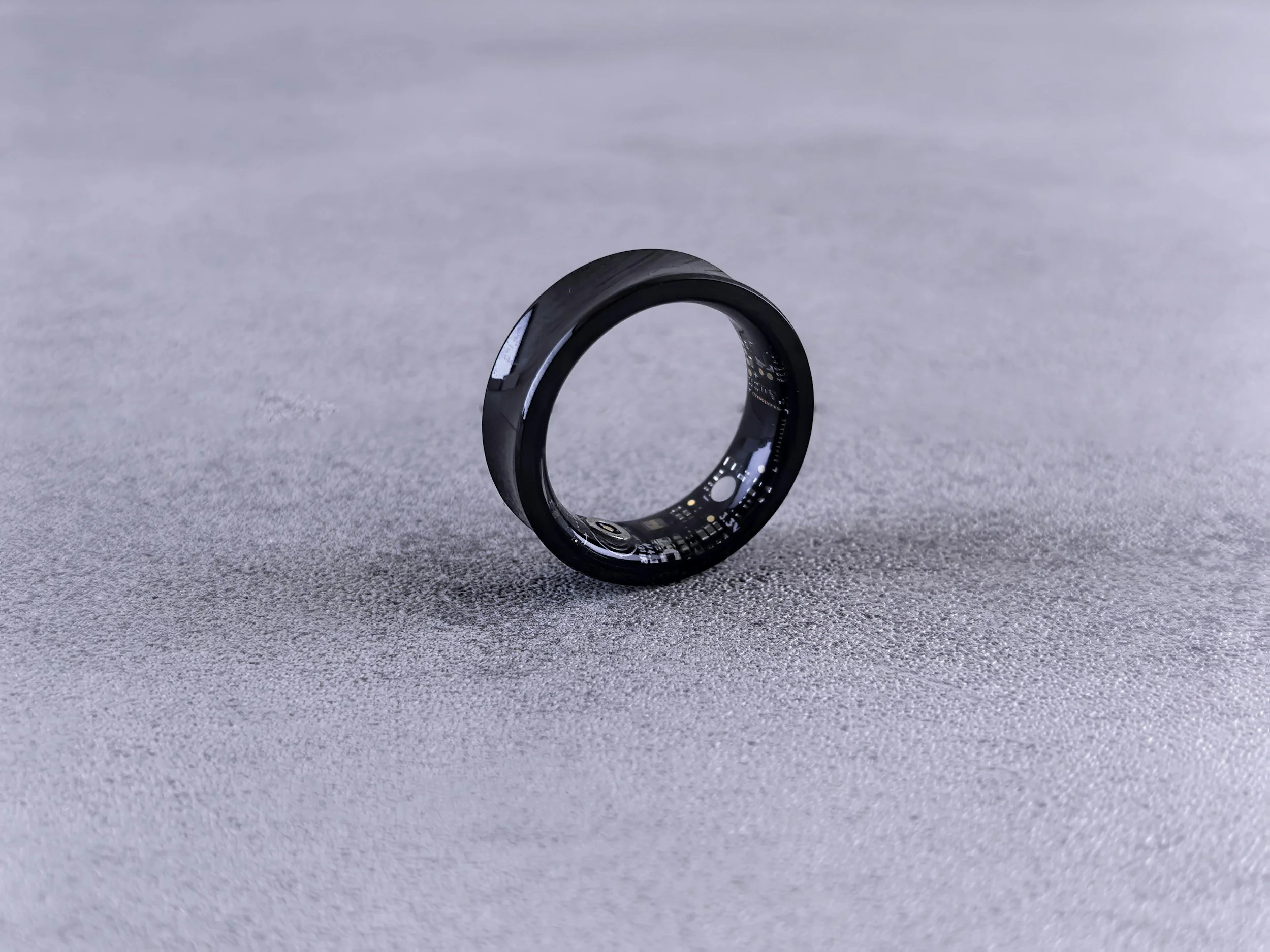
RingConn Ring
Best for: Simple recovery tracking without ongoing cost
Tracks sleep, HRV, heart rate, and activity
Lightweight, distraction-free design similar to Oura
Focuses on core metrics without added complexity
Subscription: Not required
Ultrahuman Ring (Non-Affiliate Link)
Best for: Sleep, recovery, and metabolic insights
Tracks sleep stages, HRV, and activity patterns
Can integrate with metabolic data (when paired with glucose monitoring)
Strong focus on energy optimization and recovery awareness
Subscription: Not required for core features (optional programs may have costs)
WHOOP
Best for: Performance and recovery balance
Focuses on strain vs recovery and daily readiness
Provides actionable guidance on when to push vs rest
Designed for continuous wear and behavior change
Subscription: Required (device included with membership)
Apple Watch
Best for: General health and convenience
Tracks sleep, heart rate, and daily activity
Integrates seamlessly into everyday life and iPhone ecosystem
Less depth in recovery and sleep staging compared to others
Subscription: Not required for core features (optional apps may have fees)
Garmin
Best for: Fitness and sleep without a subscription
Strong data across heart rate, sleep, HRV, and training load
Long battery life and robust performance tracking
Good balance between fitness and recovery insights
Subscription: Not required
What Most People Get Wrong
The goal isn’t to optimize every number. It’s to understand patterns. A single “bad night” doesn’t matter. A consistent pattern does.
And importantly, your wearable doesn’t know everything. If your data looks “good” but you feel exhausted, that matters.
Dr. Dawson’s Take
Sleep data can be incredibly helpful, but only if it’s used in context.
What I often see is people becoming overly focused on scores and metrics while missing the bigger picture. They’re tracking everything, but not actually changing anything.
The body doesn’t respond to data. It responds to behavior.
In midlife, sleep disruption is rarely just about habits. Hormonal shifts, stress physiology, and metabolic changes all play a role, and those don’t always show up clearly in wearable data.
Wearables are best used as early signal detectors:
When something shifts
When recovery is off
When patterns start to change
But they are not a diagnosis.
If your wearable shows poor sleep, low HRV, or ongoing fatigue despite good habits, it may indicate underlying issues such as hormonal changes or stress-related physiology. A deeper evaluation can help identify what’s driving those patterns. Book a complimentary consultation to get answers.