
You get through the workday. You handle your responsibilities. You show up for your family. You keep moving, even when you're running on empty.
But when the day is over, you're exhausted. Maybe you wake up tired even after a full night of sleep. You rely on caffeine to get through the afternoon, struggle to focus, or feel like you never quite recover.
Stress creates a physical response throughout your body, influencing your hormones, nervous system, sleep, metabolism, and ability to recover. So why does stress make you feel so tired? And what can you do when rest doesn't seem to be enough?
Let's look at what's happening inside your body.
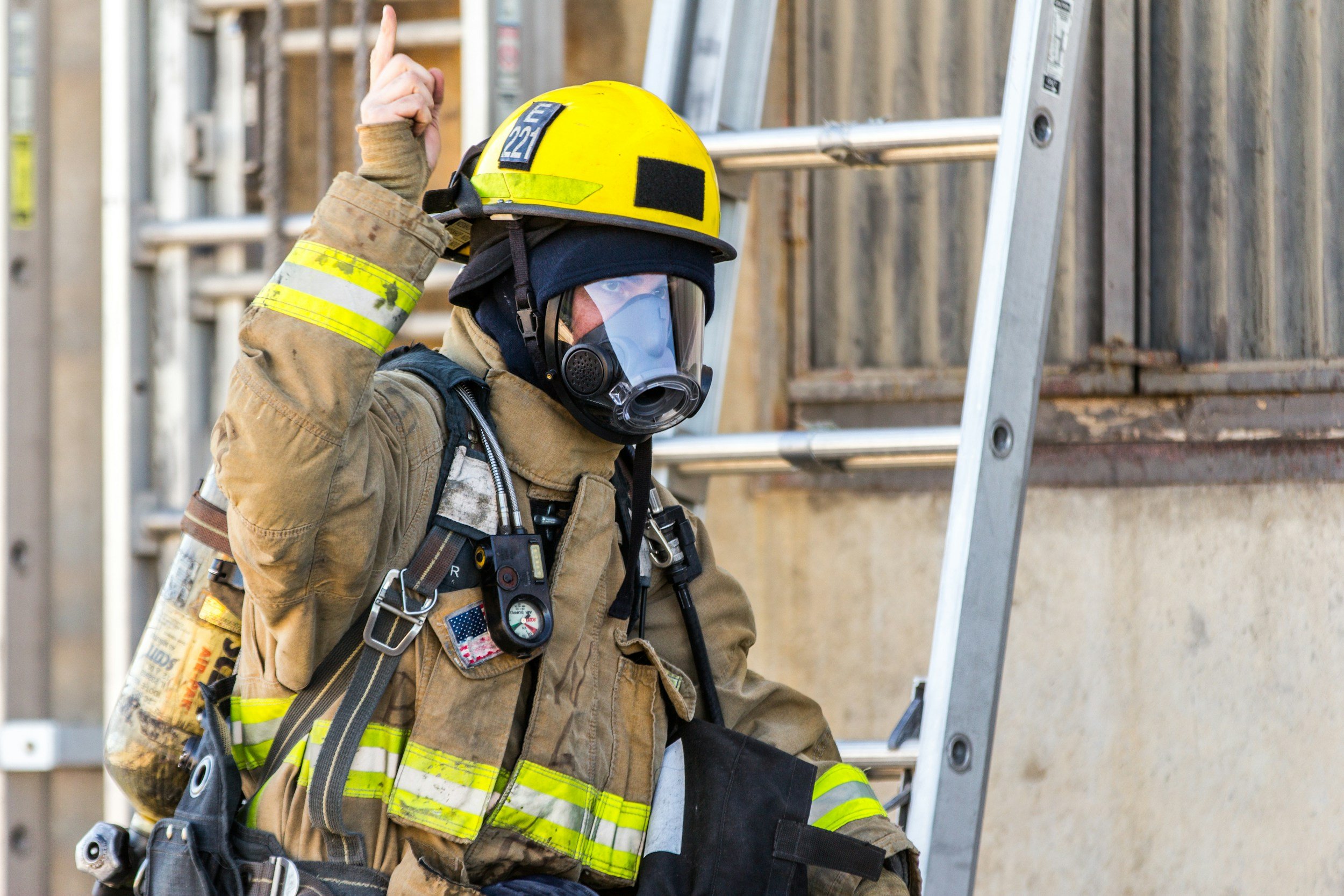
How Stress Affects Your Body
Stress is a normal part of being human. In fact, your body's stress response is designed to protect you. This response is helpful when you need to react quickly. It gives you the energy and alertness to respond to a demanding situation.
Once the threat passes, your body is designed to settle down. Your heart rate and breathing return to normal, stress hormone activity changes, and other systems resume their usual functions.
The problem is that modern stress doesn't always come with a clear beginning and end. When your body stays on high alert too long, it can affect several systems involved in energy and recovery.
Why Chronic Stress Can Leave You Feeling Exhausted
Feeling tired after a stressful day is normal. But when stress becomes a regular part of life, its effects can extend beyond temporary exhaustion.
Here are some of the ways ongoing stress may affect your energy.
1. Your Body Has Trouble Shifting Out of High Alert
Ongoing stress can make it harder for your nervous system to shift from alertness to relaxation, even without an immediate threat. This can leave you feeling tense, restless, on edge, or mentally drained because your body isn't getting enough time in recovery mode.
2. Stress Can Disrupt Your Sleep
Stress can make it harder to fall asleep, stay asleep, and wake up feeling rested, while shift work and irregular schedules can add another layer of disruption for veterans and first responders. Over time, poor sleep can affect your energy, concentration, mood, and ability to manage stress, creating a cycle that's difficult to break.
3. Your Stress Hormones Affect More Than Your Mood
Cortisol helps regulate blood sugar, metabolism, inflammation, and your body's response to stress, and it follows a natural daily rhythm that supports your sleep-wake cycle. Prolonged stress can affect the systems that regulate cortisol, potentially contributing to changes in sleep, mood, concentration, and energy.
4. Stress Can Affect Your Metabolism and Daily Habits
Ongoing stress can make it harder to maintain healthy routines, leading to skipped meals, increased caffeine, convenience foods, less exercise, and changes in appetite or digestion. These habits can contribute to energy fluctuations throughout the day, especially when combined with poor sleep and inconsistent nutrition.
5. Your Muscles May Not Be Recovering as Well
Stress affects physical recovery, too, and may contribute to muscle tension, headaches, soreness, and general fatigue. When poor sleep, inconsistent nutrition, and limited recovery time become part of the picture, your body may struggle to keep up with the demands you're placing on it.

Why This Matters for Veterans and First Responders
For many veterans and first responders, stress isn't limited to an occasional demanding day.
Military service, emergency response, law enforcement, firefighting, and other high-pressure roles can involve repeated exposure to situations that require constant awareness, quick decisions, and physical or emotional resilience.
Even after a shift ends or a period of service is over, those experiences may continue to affect sleep, stress responses, and overall well-being.
Some people find it difficult to mentally switch off. Others experience disrupted sleep, irritability, difficulty concentrating, or persistent fatigue.
For some, these symptoms may be connected to post-traumatic stress disorder (PTSD), anxiety, or another stress-related condition. For others, shift work, sleep disruption, physical demands, and everyday responsibilities may contribute.
There isn't one universal experience, and you shouldn't automatically attribute fatigue to a person's service or occupation. But it's worth recognizing that years of operating under pressure can affect how you feel physically—not just emotionally.
You don't have to wait until you're completely burned out to take those changes seriously.
How to Support Your Energy When You're Under Stress
You can't always eliminate the things that cause stress. But you can give your body more consistent opportunities to recover.
Here are a few places to start.
Prioritize Consistent Sleep
Prioritize a consistent sleep routine that supports recovery, even if shift work means your schedule looks different from a traditional workday. Keep your bedroom cool, dark, and quiet, limit caffeine and screen time before bed, and talk with your healthcare provider if you regularly wake up exhausted or experience signs of a sleep disorder.
Make Time for Movement
Regular movement can support mood, sleep, cardiovascular health, and energy without requiring hours at the gym. Incorporate activities you enjoy, such as walking, strength training, stretching, or cycling, and focus on building a routine you can maintain.
Fuel Your Body Consistently
Stress and demanding schedules can make nutrition an afterthought, but your body needs consistent fuel to maintain energy and recover. Focus on balanced meals with protein, fiber-rich carbohydrates, healthy fats, and adequate hydration, while being mindful of caffeine intake.
Build Small Opportunities to Reset
You don't need a complicated routine to give your body and mind a break throughout the day. Simple practices like deep breathing, short walks, time outdoors, and setting boundaries between work and personal time can create meaningful opportunities to recharge.
Don't Be Afraid to Ask for Support
If stress is affecting your sleep, mood, energy, or overall well-being, consider talking with a qualified mental health professional. Veterans and first responders may benefit from working with someone who understands the unique demands of military service and emergency response.

When Is Fatigue More Than Stress?
If you're consistently tired despite getting enough sleep, eating well, and making time for recovery, it may be time to look more closely. Stress can absolutely contribute to feeling tired. But don't assume it's the only explanation.
Persistent fatigue can have many possible causes, including:
Sleep apnea or other sleep disorders
Thyroid dysfunction
Iron deficiency or anemia
Blood sugar changes
Low testosterone or other hormonal changes
Nutritional deficiencies
Medication side effects
Depression or anxiety
Other underlying medical conditions
Depending on your symptoms and health history, your healthcare provider may recommend bloodwork, a sleep evaluation, or other testing to help identify potential causes.
You don't need to assume something is seriously wrong. But you also don't need to accept ongoing exhaustion as a normal part of getting older or having a demanding job.
Dr. Dawson's Take
Stress isn't just something you feel mentally; your body experiences it, too. When you're under pressure for long periods, it can affect your nervous system, hormones, sleep, metabolism, and recovery.
But feeling exhausted all the time shouldn't become something you simply accept.
Sometimes that starts with better sleep, better nutrition, or a change in your daily routine. Other times, it means looking at hormones, metabolic health, sleep disorders, or other underlying factors.
If you're doing your best to take care of yourself but still feel tired, there may be more to the story. You don't have to keep pushing through exhaustion. Understanding what's contributing to it is the first step toward feeling like yourself again.
Let's take a closer look at what's going on and create a plan that supports your health and goals.