
Estrogen plays an important role in how the brain regulates mood, stress, sleep, and emotional well-being. As estrogen begins to fluctuate and eventually decline during perimenopause and menopause, many women notice significant changes in how they feel emotionally.
One of the most common things I hear from women in their 40s and 50s is: "I just don't feel like myself anymore."
Many women assume these changes are due to stress, aging, work, family responsibilities, or a lack of self-care. But often, hormones are part of the picture.
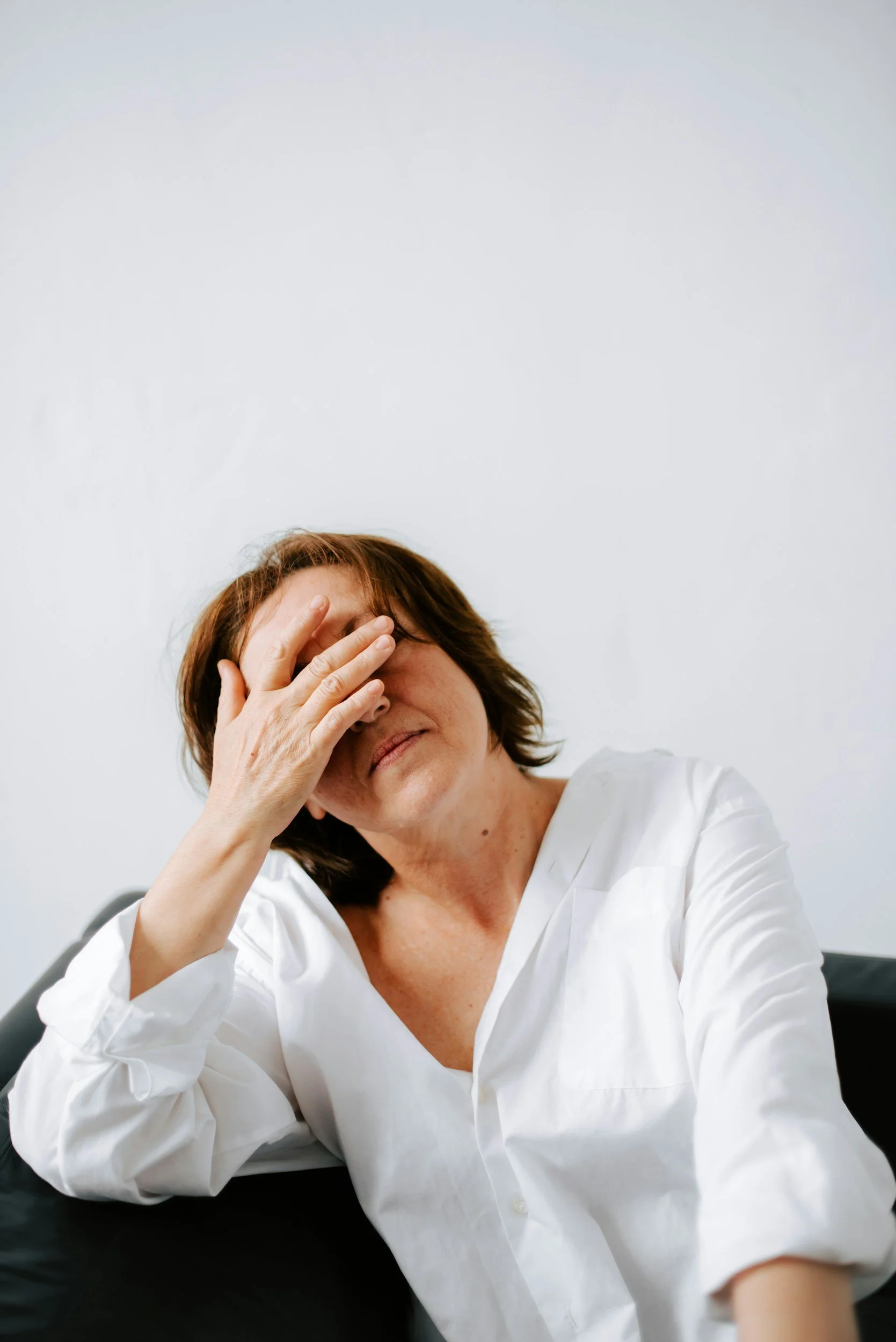
Can Low Estrogen Cause Anxiety, Irritability, and Mood Changes?
Yes, estrogen influences several neurotransmitters involved in mood regulation, including serotonin, dopamine, and norepinephrine. These chemical messengers affect mood, motivation, emotional regulation, focus, stress resilience, and sleep.
When estrogen levels fluctuate, the brain's ability to regulate these systems can become less predictable.
It is one reason many women experience:
Increased anxiety
Irritability
Mood swings
Feeling emotionally overwhelmed
Lower stress tolerance
Difficulty concentrating
Feeling less motivated
A sense of not feeling like themselves
For some women, these symptoms are mild. For others, they can significantly impact relationships, work performance, confidence, and quality of life.
Why Estrogen Changes During Perimenopause
Many women assume menopause begins when periods stop. In reality, hormonal changes often start years earlier. Perimenopause is the transitional period leading up to menopause.
During this time, estrogen levels do not simply decline in a straight line. They fluctuate. One month, estrogen may be relatively high. The next month, it may drop significantly. These fluctuations often contribute to some of the earliest symptoms women experience.
Many women say, "Some days I feel completely normal, and other days I don't feel like myself at all."
The inconsistency itself is often part of the hormonal transition. Eventually, estrogen production declines more permanently after menopause, when the ovaries stop producing significant amounts of estrogen.
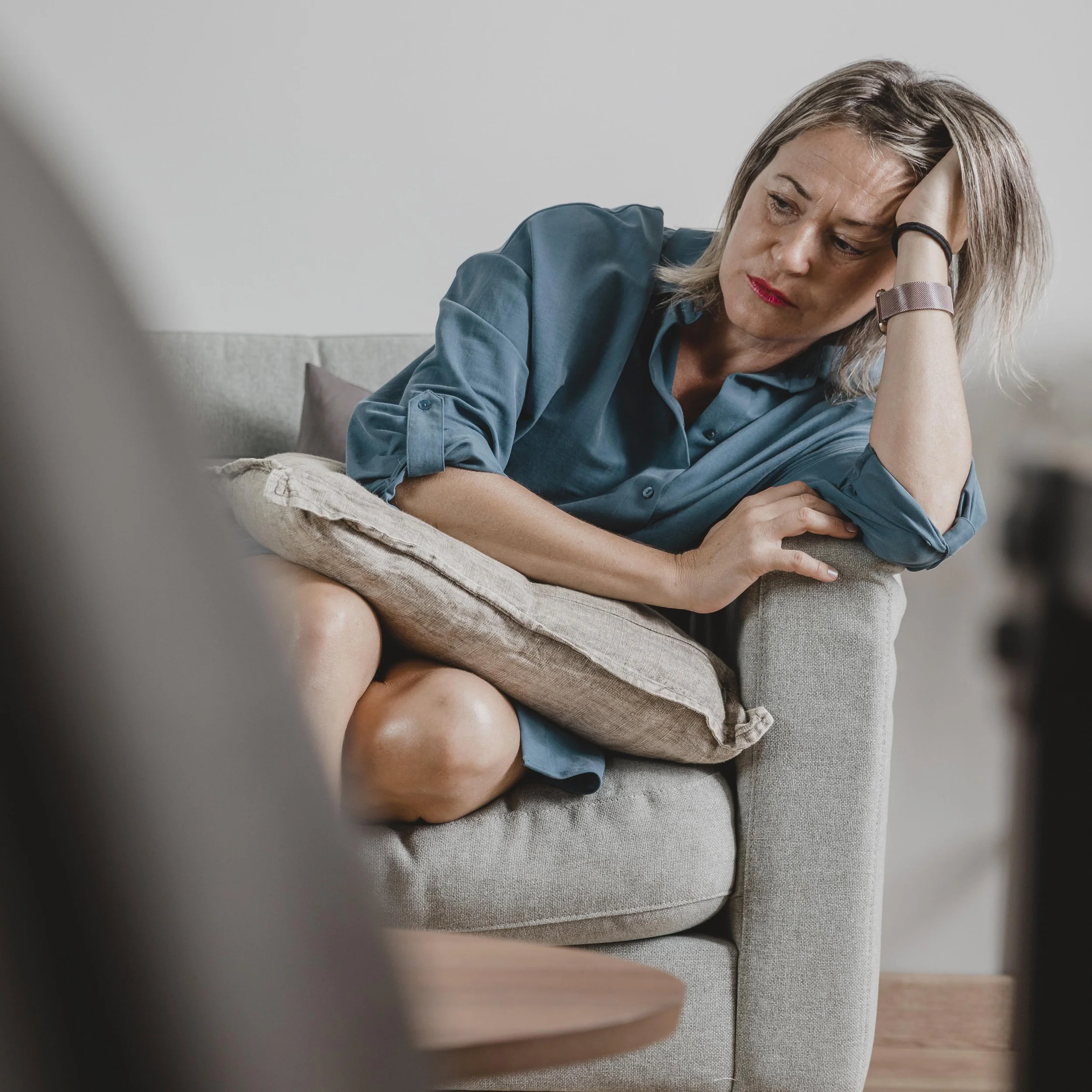
Signs Your Mood Changes May Be Hormone-Related
Not every mood change is from hormones. However, certain patterns commonly appear during perimenopause and menopause.
Increased Anxiety
Women who have never struggled with anxiety may suddenly find themselves feeling more worried, reactive, overwhelmed, and physically anxious. Some women describe feeling constantly "on edge" for no obvious reason.
Irritability and Shorter Patience
Many women report that their emotional bandwidth feels smaller than it used to. Minor frustrations feel bigger. Stress feels harder to manage. Patience feels shorter.
Feeling More Emotional
You may find yourself crying more easily or feeling emotionally sensitive in situations that previously wouldn't have affected you.
Brain Fog and Difficulty Concentrating
Mood and cognition are closely connected. Many women notice difficulty focusing, forgetfulness, mental fatigue, and/or feeling less sharp.
Sleep Changes
Poor sleep and hormone changes often occur together. If you're waking throughout the night, experiencing night sweats, or feeling less rested, your mood may suffer as a result.
Loss of Motivation or Feeling Flat
Sometimes mood changes don't look like sadness. Instead, women describe feeling disconnected, less engaged, less excited, or less motivated. The phrase I hear most often is: "I just don't feel like myself."
Other Symptoms of Low Estrogen
Mood changes rarely happen in isolation.
Other signs of declining estrogen may include:
Hot flashes
Night sweats
Sleep disruption
Weight gain or body composition changes
Vaginal dryness
Low libido
Fatigue
Joint discomfort
Changes in skin elasticity
Irregular periods
Brain fog
When several of these symptoms occur together, hormones become an important consideration.
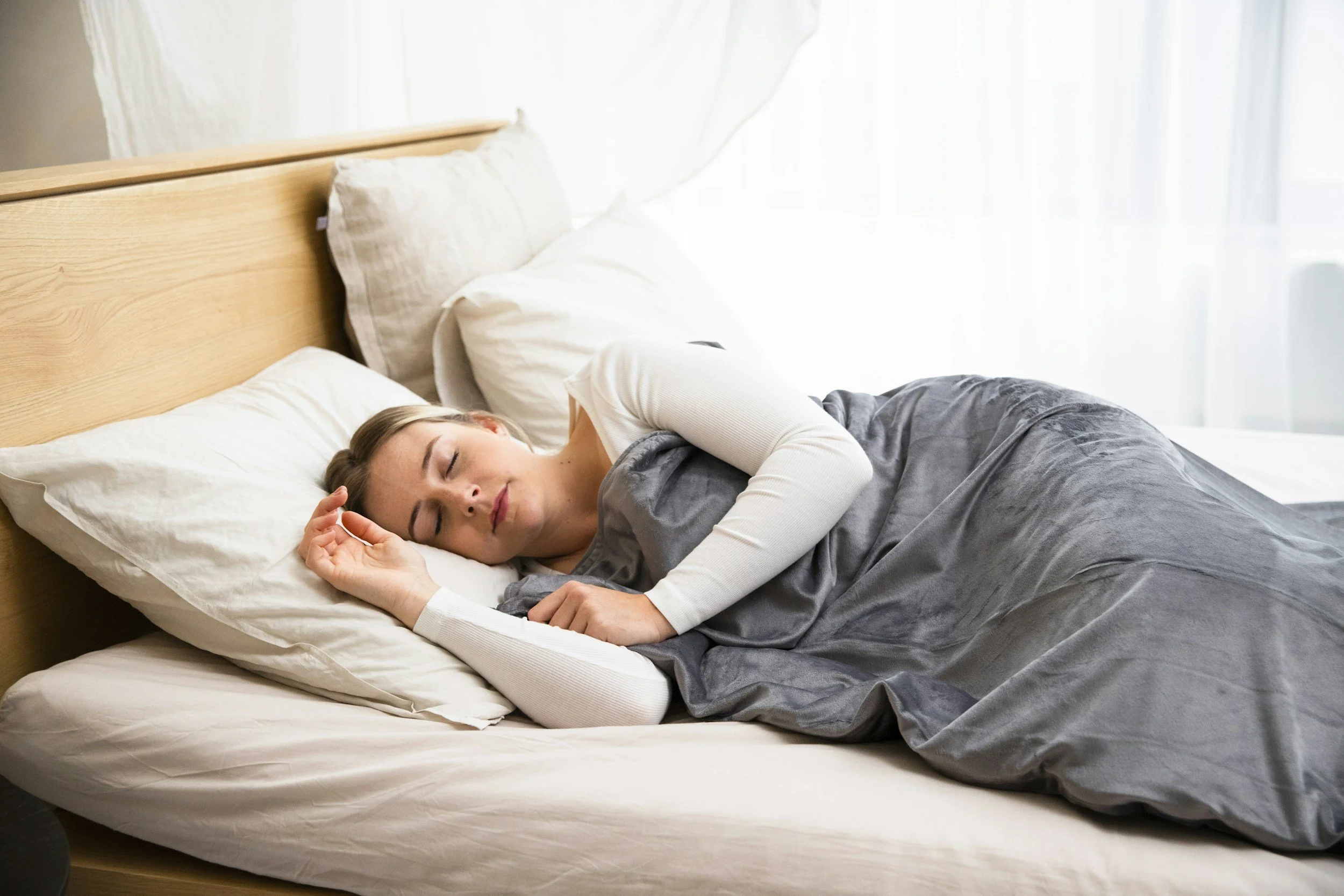
Why Sleep Matters More Than Most Women Realize
One of the reasons mood changes become so significant during perimenopause is that sleep is often affected at the same time.
Estrogen helps support temperature regulation, sleep quality, and nervous system balance.
When sleep becomes disrupted, anxiety, irritability, brain fog, and low mood often become worse. Addressing hormones without addressing sleep often leads to incomplete results.
The two systems are deeply connected.
Can Hormone Replacement Therapy (HRT) Help Mood?
For many women, yes. Hormone Replacement Therapy (HRT) can help reduce symptoms caused by estrogen decline and may improve:
Mood stability
Anxiety
Irritability
Sleep quality
Cognitive function
Hot flashes
Night sweats
Overall quality of life
HRT is not an antidepressant. However, when mood changes are being driven or amplified by hormonal changes, restoring estrogen levels may provide significant relief.
The key is determining whether hormones are actually contributing to your symptoms.
Types of Hormone Replacement Therapy
HRT is not one-size-fits-all. Treatment recommendations depend on your:
Age
Symptoms
Health history
Risk factors
Whether you still have a uterus
Personal goals
Estrogen Therapy
Women can use estrogen therapy through patches, gels, creams, sprays, or oral medications.
Many physicians prefer transdermal options (such as patches) because they bypass the liver and may offer certain safety advantages.
Estrogen + Progesterone Therapy
Women who still have a uterus generally require progesterone alongside estrogen to protect the uterine lining. Many women also notice sleep benefits from progesterone therapy.
Local Vaginal Estrogen
For women whose primary symptoms involve vaginal dryness or urinary symptoms, local estrogen therapies may be appropriate. These options provide targeted symptom relief with minimal systemic absorption.
Personalized Treatment Plans
The best treatment plan depends on the individual, which is why a comprehensive evaluation is so important. The goal is not simply prescribing hormones. The goal is to understand the full picture.
When Should You Talk To A Doctor?
It's worth exploring whether hormones are contributing, if you've noticed:
Increased anxiety
Irritability
Mood changes
Brain fog
Sleep disruption
Hot flashes
Feeling unlike yourself
Many women spend years assuming they simply need to manage stress better. Sometimes the issue is not a lack of resilience. Sometimes the physiology has changed. And understanding that difference can be life-changing.
Dr. Dawson's Take
Many women come to me worried that something is wrong with them. They're frustrated because they don't feel like themselves, but they can't always explain why.
The reality is that perimenopause and menopause affect far more than reproductive health.
If you've noticed anxiety, irritability, emotional changes, or a growing sense that you don't feel like yourself anymore, don't dismiss those symptoms.
They may be your body's way of telling you that something is shifting. The good news is that you don't have to guess.
There are evidence-based ways to evaluate what's happening and determine whether hormones may be playing a role.
If you're struggling with mood changes, sleep issues, or other symptoms of perimenopause or menopause, schedule a consultation to explore your options and build a personalized plan.
Because feeling like yourself again is not a luxury. It's an important part of your health.