
Why Summer Sleep Gets Worse During Menopause
Summer is supposed to feel lighter, longer days, a slower pace, and more time to relax. But for many women in perimenopause and menopause, summer can make sleep feel worse. And often the first sign isn't just “I’m not sleeping well.” It’s “I don’t feel like myself.”
You may notice you’re waking up hot, sweating through pajamas, tossing the covers off, or lying awake with your heart racing. You may fall asleep fine, only to wake up at 2 or 3 a.m. feeling overheated, anxious, or wide awake.
It is easy to blame the weather. But menopause affects sleep through changes in estrogen levels, temperature regulation, stress responses, and sleep architecture. Summer heat can amplify those changes, making symptoms feel louder and harder to ignore.
For many women, this is how perimenopause first shows up: not as one dramatic symptom, but as a growing sense that something has shifted.
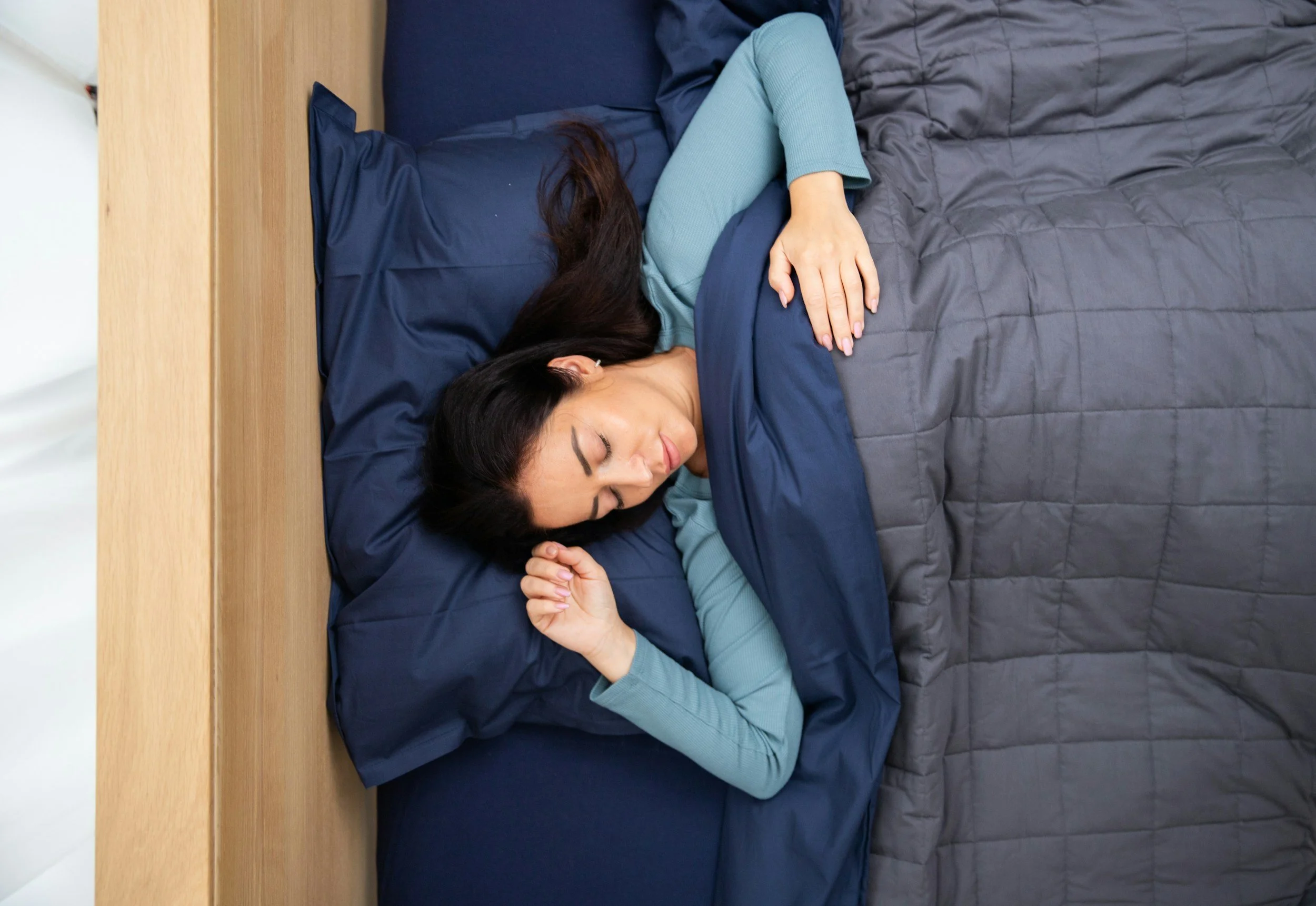
Why Menopause Affects Sleep
Sleep disruption is one of the most common concerns women report during perimenopause and menopause. But many women do not immediately connect changes in sleep to hormones. They simply know they feel different: less rested, less patient, less focused, or less like themselves.
For some women, changes in sleep are tied to night sweats and hot flashes. For others, sleep becomes lighter, more fragmented, or less restorative even without obvious sweating.
The Mayo Clinic notes that sleep problems during perimenopause are often due to hot flashes or night sweats, but sleep pattern changes can also occur even without them. Your body may be responding to hormonal changes that affect how you regulate heat, recover overnight, and move through sleep stages.
The Hormone–Temperature Connection
One of the reasons summer sleep can feel so difficult during menopause is thermoregulation, which is your body’s ability to regulate temperature.
During the menopause transition, fluctuating and declining estrogen can make the brain more sensitive to small changes in core body temperature. Research describes hot flashes as a heat-dissipation response triggered by small increases in core temperature within a narrowed thermoneutral zone.
In simpler terms, your body’s internal thermostat becomes more reactive. That means a bedroom that used to feel comfortable may suddenly feel too warm. A glass of wine, a late meal, stress, or a warmer evening may be enough to trigger sweating, waking, or restlessness.
The Menopause Society notes that hot flashes and night sweats, also called vasomotor symptoms, are the most commonly reported symptoms of the menopause transition and can affect sleep, mood, and quality of life. They may occur in up to 80% of women and last an average of 7 to 10 years.
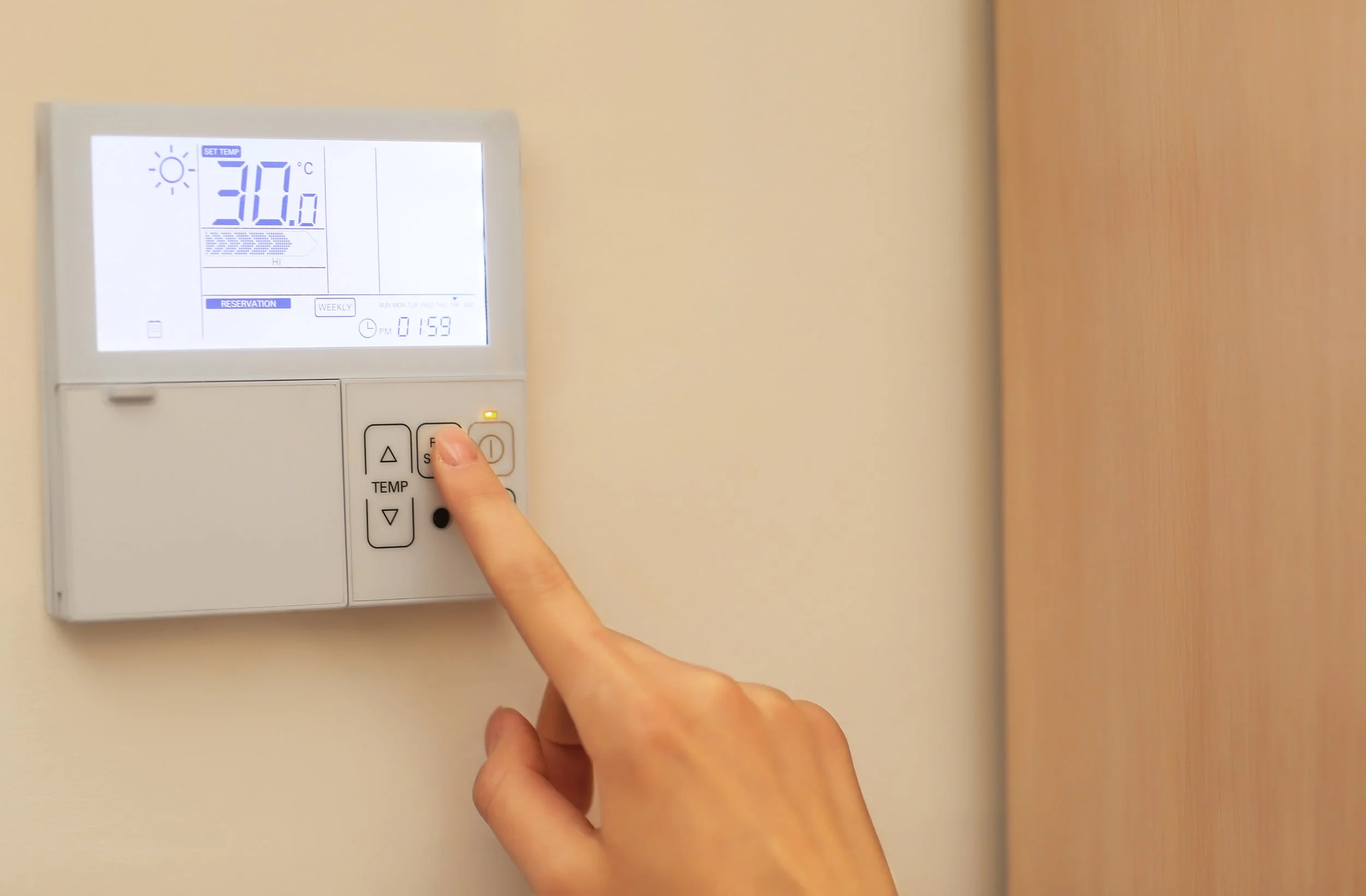
Why Night Sweats Disrupt More Than Sleep
Night sweats are not just uncomfortable. They can interrupt the deep, restorative parts of sleep your body relies on for repair, memory, immune function, mood regulation, and metabolic health.
When night sweats wake you up, the impact often carries into the next day. This is where many women begin to notice they do not feel like themselves:
Lower energy
Brain fog
Irritability
More cravings
Reduced stress tolerance
Poorer workout recovery
Increased fatigue
These symptoms can feel disconnected at first, but together they often point to the same issue: your body is not regulating and recovering the way it used to.
Research on sleep during the menopausal transition shows that hot flashes can be linked with nighttime awakenings and subjective sleep disturbance. This is why sleep disruption in menopause should not be minimized.
Why Summer Makes Menopause Sleep Worse
Poor sleep affects how you feel, how you function, and how your body responds to stress. Summer adds several triggers that can make menopause-related sleep disruption more noticeable.
1. Warmer Bedrooms
Your body needs to cool down to fall asleep and stay asleep. If your bedroom is too warm, your body has to work harder to regulate temperature. During menopause, that system is already more sensitive. Heat can make night sweats and awakenings more likely.
2. Alcohol at Summer Events
Alcohol is a common trigger for both poor sleep and hot flashes. Even if alcohol helps you fall asleep faster, it can fragment sleep later in the night and worsen temperature regulation. For many women, this shows up as waking hot, restless, or anxious around 2 or 3 a.m.
3. Later Nights and Inconsistent Sleep Schedules
Longer days often mean later dinners, social events, travel, and disrupted routines. But sleep consistency is one of the strongest supports for circadian rhythm. When bedtime and wake time shift frequently, sleep quality often declines.
4. Dehydration
Heat, sweating, travel, and alcohol can all contribute to dehydration. Dehydration can worsen fatigue, headaches, changes in heart rate, and overall stress on the body. For women already dealing with night sweats, hydration becomes even more important.
5. Stress and Cortisol
Summer can be busy: family schedules, travel, events, caregiving, and changes in routine. Stress affects cortisol, and cortisol affects sleep. In menopause, the nervous system can become more reactive, making it harder to settle at night and easier to wake in the early morning.
What You Can Do to Sleep Better This Summer
The goal is not perfection. It is reducing the number of triggers your body has to manage at once.
1. Keep Your Bedroom Cool
A cooler sleep environment can help reduce overheating and support better sleep continuity.
Lowering the thermostat when possible
Using breathable bedding
Wearing lightweight sleepwear
Keeping a fan nearby
Using cooling pillows or mattress toppers if needed
2. Watch Alcohol Timing
You do not necessarily have to eliminate alcohol completely, but it helps to notice your pattern.
If you wake hot or anxious after drinking, especially in the second half of the night, alcohol may be contributing.
Limiting alcohol close to bedtime
Alternating with water
Choosing earlier timing
Tracking symptoms after drinking
3. Prioritize Hydration Earlier in the Day
Hydration supports temperature regulation, energy, and recovery. Aim to hydrate consistently throughout the day rather than trying to catch up at night. If you are sweating more, exercising outside, or drinking alcohol, you may also need electrolytes.
4. Keep Sleep and Wake Times Consistent
Even in summer, your body benefits from rhythm. Try to keep your wake time consistent most days, even if bedtime varies occasionally. Morning light exposure can also help anchor your circadian rhythm and support better sleep timing.
5. Eat Earlier When Possible
Large meals close to bedtime can raise body temperature and interfere with sleep. If you notice more night waking after late dinners, try moving heavier meals earlier or keeping evening meals lighter.
6. Support Stress Recovery
If your body is stuck in “on” mode, sleep will be harder. Simple practices can help signal safety to the nervous system. These are not quick fixes, but they can reduce the load on your system.
Gentle evening walks
Breathwork
Stretching
Journaling
Lowering lights at night
Reducing late-night screens
Dr. Dawson’s Take
During perimenopause and menopause, sleep disruption is often dismissed as normal. But common does not mean insignificant. Many women do not come in saying, “I think my hormones are changing.” They come in saying, “I don’t feel like myself.”
If you are waking hot, anxious, restless, or exhausted, your body is giving you information. Summer may make the symptoms more obvious, but the underlying issue may be hormonal, metabolic, stress-related, or sleep-related.
That feeling of not being yourself should not be minimized. It is often the clue that something deeper is shifting.
The goal is not simply to cool the room and hope for the best. The goal is to understand why your body is struggling to regulate temperature, recover overnight, and stay asleep.
There are evidence-based ways to support sleep during menopause, including lifestyle strategies, hormone therapy when appropriate, and nonhormonal options. The right plan depends on your body, your symptoms, and your long-term health.
If summer sleep has become harder and you do not feel like yourself, it is worth looking deeper.
Book a consultation to discuss your sleep, hormones, and menopause symptoms and create a personalized plan that helps you feel rested again.