
How to Use Wearable Data to Improve Exercise and Recovery
Wearables have made performance measurable. You can track your heart rate, your strain, your recovery, and even how ready your body is to train.
But most people are collecting data without knowing how to use it.
Wearable devices can help you improve performance by tracking key metrics like heart rate, HRV, sleep, and training load. The goal is to use this data to adjust training intensity, improve recovery, and prevent overtraining.
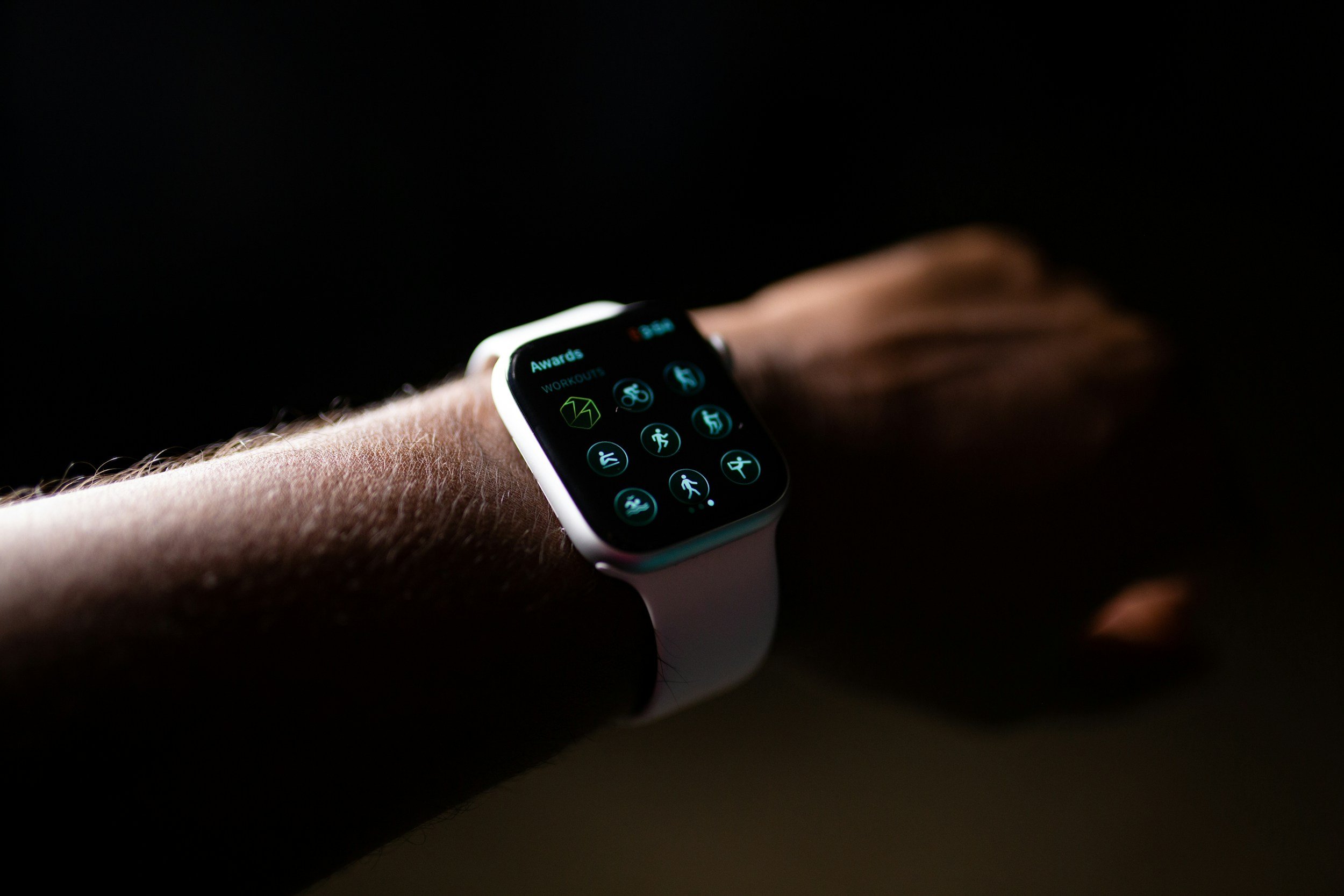
What Your Wearable Is Actually Measuring
Most wearable devices are built around a few core signals. Understanding these is what allows you to train smarter, not just harder.
Heart Rate (HR)
Heart rate reflects how hard your body is working in real time.
Higher heart rate = higher effort
Lower heart rate at the same workload = improved fitness
What matters most isn’t the number, it’s how it changes over time. If your heart rate is higher than usual during a normal workout, your body may not be fully recovered.
Heart Rate Variability (HRV)
HRV reflects how adaptable your nervous system is.
Higher HRV → better recovery, more resilience
Lower HRV → stress, fatigue, or under-recovery
This is one of the most useful recovery signals, but only when viewed as a trend rather than a daily score.
Resting Heart Rate (RHR)
Your baseline recovery marker.
Elevated RHR = your body is under stress
Often influenced by poor sleep, illness, alcohol, or overtraining
A rising resting heart rate over several days is often an early warning sign.
Strain / Training Load
Devices like WHOOP and Garmin estimate how much stress your workouts place on your body.
This helps answer a key question: Are you doing enough to improve or too much to recover from?
Recovery Scores
Many wearables combine HRV, sleep, and heart rate into a daily “readiness” score. These can be helpful, but they’re not absolute. They’re a directional signal, not a rule.
The Metrics That Actually Matter
If you simplify everything, focus on:
HRV trends (7–14 days)
Resting heart rate patterns
Training load vs recovery balance
Performance at a given effort
How you feel
The goal isn’t perfect data. It’s the alignment between effort and recovery.
How to Use Your Data to Train Smarter
Knowing what to do with the data is where most people get stuck. They look at the numbers, but don’t adjust behavior.
If HRV is trending down
Your body is under stress.
Adjust by:
Reducing training intensity
Prioritizing sleep
Managing overall stress load
This is not the time to push harder.
If your resting heart rate is elevated
Something is off.
Look at:
Sleep quality
Alcohol intake
Illness or inflammation
Cumulative fatigue
Your body is signaling that recovery is incomplete.
If performance is declining
If your pace, strength, or endurance is dropping at the same effort:
You may be under-recovered
Or your training load is too high
More effort is not the solution. Better recovery is.
If your data looks “good,” but you feel off
Trust that.
Wearables don’t capture everything:
Hormonal shifts
Mental fatigue
Nutritional deficits
Data should inform your decisions, not override your awareness.
How Do You Know If You’re Not Recovering From Workouts?
The most common pattern I see is overtraining paired with under-recovery.
They try to optimize every metric. They push through low recovery scores. They treat wearables as a performance test rather than a feedback tool.
People are working hard, but not recovering in a way that allows their bodies to adapt.
Wearables can be helpful because they show you when something is off before it becomes obvious. A drop in HRV, a rise in resting heart rate, or a decline in performance are often early signals. But they don’t tell you why.
How to Improve Exercise Recovery
Recovery is where progress happens. Wearables help you see when recovery is lacking, but the fundamentals still apply.
1. Sleep Consistency: The most powerful recovery tool. Go to bed and wake up at consistent times, get enough quality sleep, and limit late-night eating or alcohol.
2. Training Balance: Alternate high-intensity days with lower-intensity or recovery work.
3. Nutrition: Under-fueling is one of the most common and overlooked reasons for poor recovery.
4. Stress Management: Your body doesn’t separate physical stress from mental stress. It all affects recovery.
5. Rest Days: If your data consistently shows strain without recovery, you’re not building fitness; you’re accumulating fatigue.
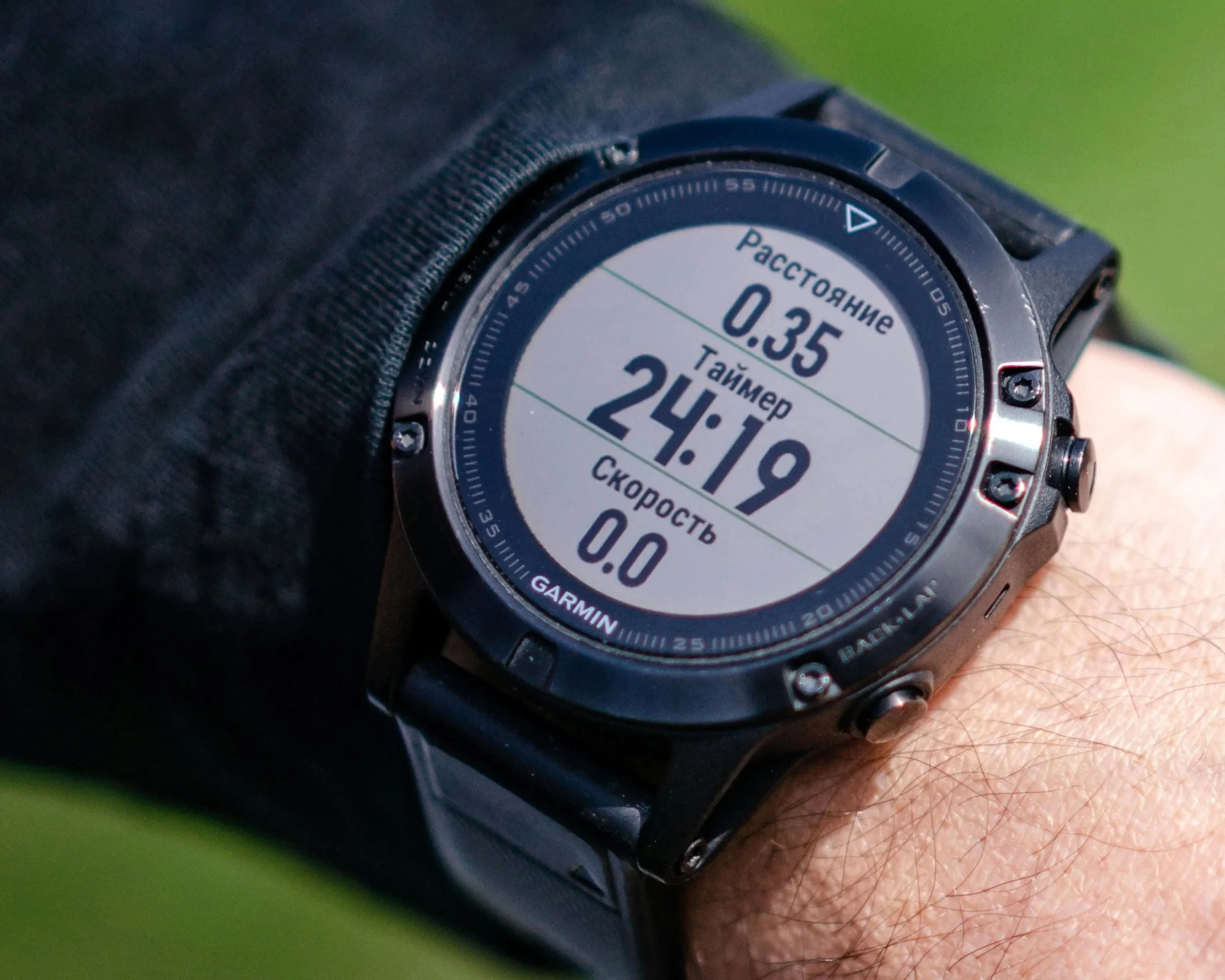
Choosing the Right Wearable for Training & Recovery
Different devices serve different purposes. We’ve included a variety of wearable devices, whether they require a subscription or not, along with the benefits of each. The goal isn’t to find the “best” wearable, it’s to find the one that aligns with how you train, recover, and live day to day.
Some of the links in this post are affiliate links, which means we may earn a small commission if you choose to purchase—at no extra cost to you. As an Amazon Associate, we earn from qualifying purchases. This helps support the continued creation of free, evidence-based education.
WHOOP
Best for: Recovery + strain balance
Strong daily guidance on when to push vs recover
Built around HRV, sleep, and recovery scoring
Designed for performance optimization
Subscription: Required (device included with membership)
Garmin
Best for: Training data + recovery without a subscription
Strong metrics across heart rate, training load, and recovery
Advanced performance insights for endurance and strength training
Long battery life
Subscription: Not required
Apple Watch
Best for: General fitness + convenience
Tracks workouts, heart rate, sleep, and daily activity
Integrates seamlessly into daily life
Broad health ecosystem
Subscription: Not required for core features (Optional subscriptions for advanced apps)
Oura Ring
Best for: Recovery through sleep and physiology
Strong HRV, sleep staging, and temperature tracking
Excellent for identifying recovery trends
Less focused on real-time training
Subscription: Required for full data access
RingConn
Best for: Recovery tracking without ongoing cost
Tracks sleep, HRV, heart rate, and activity
Simple, lightweight alternative to Oura
Focused on core recovery metrics without added complexity
Subscription: Not required
Ultrahuman Ring
Best for: Metabolic + recovery insights
Tracks sleep, HRV, and activity
Integrates with metabolic data (when paired with glucose monitoring)
Strong focus on energy optimization and recovery
Subscription: Not required for ring features (Optional programs/services may have costs)
Dr. Dawson’s Take
What matters most isn’t the device. It’s whether you use the data to adjust how you train and recover.
In midlife, recovery is influenced by more than just training load: hormonal changes, sleep disruption, chronic stress, and metabolic shifts. If those factors aren’t addressed, no amount of optimization will fix the issue.
The goal isn’t to train as hard as possible. It’s to train in a way your body can actually recover from. That’s where progress happens.
Wearables can guide that process, but they should support your decisions, not control them.
If your data consistently shows poor recovery or you’re not seeing progress despite your efforts, it’s worth taking a deeper look at what’s driving it. Book a consultation to explore your health, improve your recovery, and get to the root of the issue.
Better performance isn’t about doing more. It’s about doing what your body can sustain.